The Department of Public Works and Highways (DPWH) is launching an urgent and comprehensive plan to widen key rivers in Cebu, aiming to protect residents from future disasters and enhance community resilience. This critical initiative comes in direct response to the devastating flooding caused by Typhoon Tino, which highlighted the urgent need for improved water management infrastructure.
Fast-Tracked Engineering Designs for Immediate Action
DPWH Secretary Vince Dizon has issued a directive for engineers to submit final designs for the Butuanon, Mananga, and Cotcot rivers by February 2026. The primary objective is to expedite these plans so that construction can commence before the onset of the next rainy season, ensuring timely protection for vulnerable communities.
"The short-term solution, the fastest solution that we can do between now and the rainy season is we need to widen the waterways," Dizon emphasized during an inspection in Naga City on Wednesday, January 28, 2026. This statement underscores the department's commitment to swift and effective action in mitigating flood risks.

Understanding the Destructive Impact of Typhoon Tino
According to Dizon, the extensive damage from Typhoon Tino was not solely attributable to the volume of rainfall. The rapid velocity of water rushing downstream played a significant role in exacerbating the destruction. By widening these rivers, the DPWH aims to disperse floodwaters over a larger area, which naturally reduces speed and minimizes erosion and structural damage.
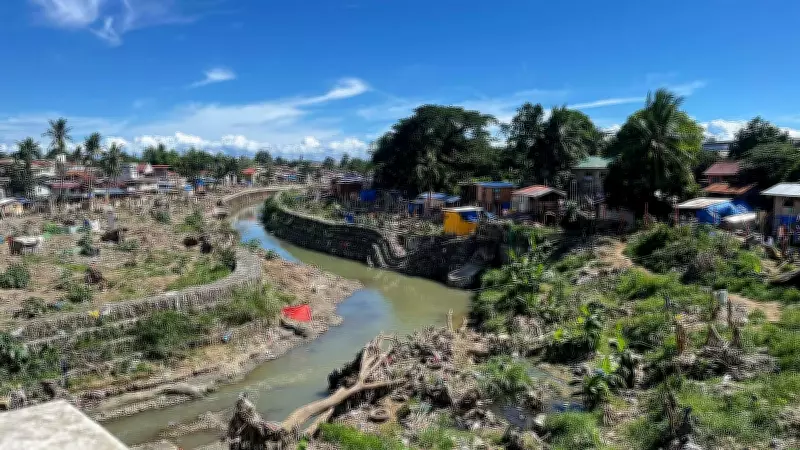
However, the project faces complexities, particularly with the Butuanon River. "Butuanon is a little more complicated because it is narrower and there are so many settlers already," Dizon explained. To address this, the government is exploring land recovery strategies to construct retention facilities capable of storing excess water during severe storms, thereby alleviating pressure on the riverbanks.
Relocation and Housing Initiatives for Affected Families
For families who lost their homes during Typhoon Tino, Dizon has made it clear that rebuilding in hazardous areas near riverbanks will no longer be permitted. Instead, the government is actively working to identify safe and permanent relocation sites to ensure long-term safety for displaced residents.
Dizon plans to coordinate closely with National Housing Authority Secretary Jose Ramon 'Ping' Aliling, Cebu Governor Pamela Baricuatro, and local leaders to secure suitable land for these relocations. He reassured affected communities that the government is moving "as fast as possible" to provide new housing, emphasizing a humane and proactive approach to disaster recovery.
Doubling River Capacity in Talisay City
In Talisay City, the Mananga River has become a focal point of the widening efforts. Following an inspection on Tuesday, January 27, Dizon noted that certain sections of the river are currently only 15 meters wide. The new plan proposes expanding the river to 30 meters, effectively doubling its capacity to manage floodwaters and reduce overflow risks during heavy rainfall.
While a specific budget for these river projects has not been allocated for the current year, Dizon indicated that the DPWH may utilize savings from the 2025 and 2026 fiscal years to fund the initiatives. This flexible funding approach demonstrates the department's prioritization of this critical infrastructure work.
"So the key now is expand the river," Dizon concluded, highlighting that creating more space for water flow is the most effective strategy to safeguard Cebuano communities when future storms strike. This proactive measure not only addresses immediate flood threats but also contributes to long-term environmental and urban planning goals in the region.