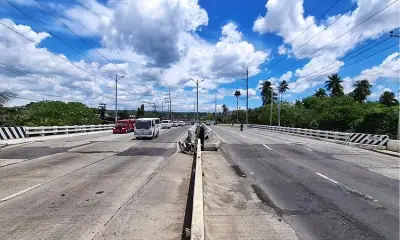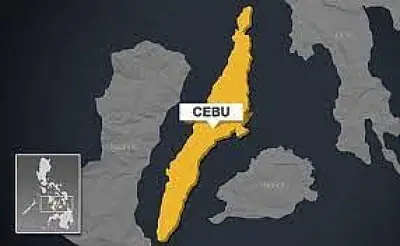
While Typhoon Tino battered the Visayas region in November 2025, causing severe flooding in Cebu and nearby provinces, Iloilo City remained remarkably dry and secure. The difference wasn't luck but the result of a well-planned infrastructure project that has stood the test of time and weather.
The Success Story of Jaro Floodway
Completed in 2011 through a partnership between the Japan International Cooperation Agency (JICA), Department of Public Works and Highways (DPWH), National Housing Authority, and Iloilo City Government, the Jaro Floodway has transformed Iloilo's flood resilience. The project was born from the devastation of Typhoon Frank in 2008, which exposed the city's lack of proper flood control systems.
Before the floodway's construction, annual flooding was common in Iloilo's flatlands, particularly in Jaro and La Paz areas. The five-kilometer channel redirects the fury of the Tigum and Aganan Rivers directly to the sea, sparing the city's urban center from destruction.

Despite initial criticism from economists who questioned its return on investment, political leaders including Senator Frank Drilon championed the project, arguing that its true value should be measured in lives saved rather than financial returns.
Proven Effectiveness During Recent Storms
A 2016 evaluation by JICA confirmed what Iloilo residents already knew: since the floodway's completion, the city hasn't experienced catastrophic flooding on the scale of Typhoon Frank. The contrast became especially evident during Typhoon Tino, when Cebu and other provinces suffered devastating floods despite billions spent on flood control projects.
The floodway's success stems from its scientific design and careful implementation. Engineers worked with nature rather than against it, shaping river bends, planting mangroves, and allowing gravity to do the work that pumps couldn't accomplish efficiently.
National Infrastructure Failures Exposed
While Iloilo's floodway succeeded, Typhoon Tino revealed widespread infrastructure failures across the Philippines. A 55-million peso flood structure in Bulacan existed only on paper, while a 96-million peso embankment in San Miguel, Iloilo collapsed before rains even began.
Transparency issues plagued other projects, with missing information boards and frequently changing contractors. Some projects have been linked to companies owned by a single family, now under national scrutiny for potential corruption.
The Senate's Blue Ribbon Committee uncovered that some contractors, ironically named after saints, had bid against themselves to secure projects. The Independent Commission for Infrastructure called it one of the gravest public-works scandals in decades.
Iloilo's Continuing Challenges
Despite the floodway's success, Iloilo City faces ongoing flood risks. The Jaro Floodway primarily protects northern areas, but low-lying districts in Lapuz, La Paz, City Proper, and parts of Jaro still depend on outdated drainage systems and makeshift canals.
The city lacks a comprehensive flood control master plan, and recent DPWH projects have sometimes worsened flooding. A 49-million peso "flood control with bike lane" project in Tagbak nearly sealed a creek and contributed to a child's drowning during Tropical Storm Dante.
Studies by the University of the Philippines Resilience Institute (2023) show that when local governments collaborate effectively, disaster losses can drop by nearly half. The Jaro Floodway embodied this principle long before "resilience" became a popular term.
Lessons for Future Development
The floodway's legacy extends beyond flood control. It inspired the development of the Iloilo River Esplanade, a 10-kilometer green space that serves as both flood buffer and public park. Teachers often use both structures as living lessons in effective governance and environmental stewardship.
As climate change intensifies storm patterns, the need for honest, scientifically sound infrastructure becomes increasingly urgent. The ongoing scandal involving 350 billion pesos worth of ghost projects nationwide demonstrates how corruption remains the country's deadliest deluge.

Iloilo must now develop a comprehensive master plan that integrates rivers, creeks, drainage systems, and coastal areas into a unified resilient system. The lesson from the Jaro Floodway is clear: integrity in public works saves lives, while delayed planning and corruption endanger them.