The Independent Commission for Infrastructure (ICI) is set to launch a major inspection of flood control projects in Cebu province, following the widespread and deadly destruction left by Typhoon Tino earlier this month.
Scenes of Destruction in Cebu
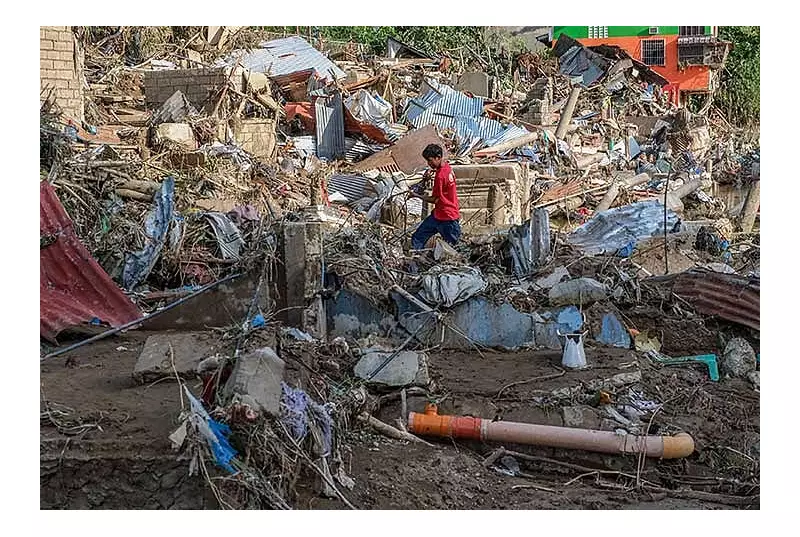
The force of Typhoon Tino on Tuesday, November 4, 2025, caused the Butuanon River to overflow its banks. The resulting deluge devastated Sitio Lower Common in Barangay Bacayan, Cebu City, reducing houses to ruins and leaving residents to walk through the debris of their former homes.
Massive Funding, Questionable Results
In an interview held at Camp Crame in Quezon City on Wednesday, November 12, ICI Special Adviser Rodolfo Azurin Jr. announced that the inspection would begin on Sunday, November 16. The focus will be on Central Cebu, specifically Cebu City and Mandaue City, which were among the worst-hit areas.

Azurin raised critical questions about the efficacy of the substantial public funds allocated for flood mitigation. "We will look into why that happened despite the huge amount of funding that was allocated there," he stated, directly referencing the P26 billion plus figure mentioned by a local governor.
Hundreds of Projects Under Scrutiny
Official records from the Department of Public Works and Highways reveal the scale of the infrastructure work now under review:
- 343 flood control infrastructures were built in the province from 2016 to 2022.
- Of these, two projects were terminated.
- An additional 168 projects were slated for the period from 2023 to 2025.
- Currently, 55 of these more recent projects are still ongoing.
This probe in Cebu mirrors a similar inspection the ICI conducted in Davao just last week. Azurin confirmed that the commission is now actively gathering bid documents with the assistance of the CIDG and the NBI, leveraging their subpoena power.
"We need to study these bid documents and compare them with the actual implementation," Azurin said, strongly hinting at the potential for legal action. "We hope we can develop cases, definitely." The central question remains: why did such massive investment fail to prevent the catastrophic flooding brought by Typhoon Tino?