Maa-Magtuod Flyover in Davao City Nears Completion at 90% Progress
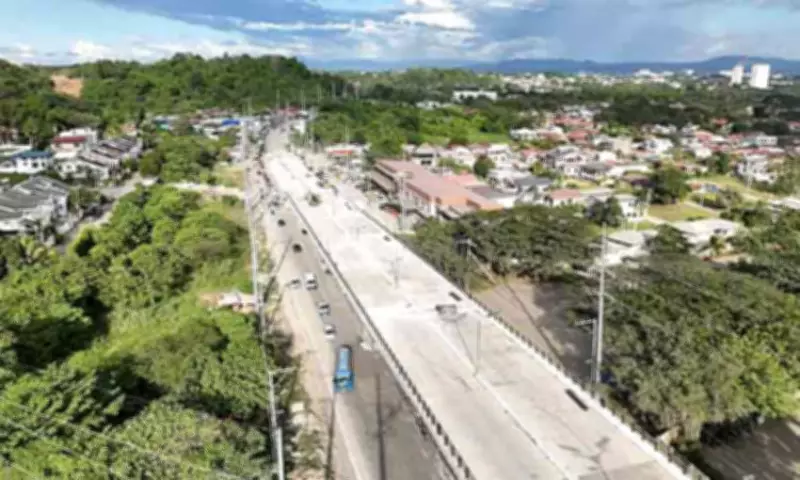
The Department of Public Works and Highways–Davao Region (DPWH-Davao) has announced that the Maa–Magtuod Flyover project is now 90 percent complete. This significant milestone marks a major step forward in addressing urban traffic challenges in the bustling city of Davao.
Ongoing Construction and Safety Enhancements
Construction efforts are currently concentrated on the approaches, asphalt paving, and the installation of critical safety features. These include lane markings, railings, and solar-powered street lights, all designed to enhance motorist protection and ensure a safer driving environment.
The DPWH emphasized the project's importance in a recent Facebook post, stating: "It will greatly help address the city’s traffic problems—especially with the recent opening of the Bucana Bridge and the Roxas exit of the Davao City Coastal Road last December." This statement highlights the flyover's role in integrating with other new infrastructure to create a more efficient transportation network.

Project Momentum and Historical Context
The flyover project gained substantial momentum in December 2025 when Davao Light and Power Company confirmed the relocation of all utility poles along the construction site. This action resolved earlier delays that had been raised by the 21st Davao City Council in August 2025, allowing construction to proceed without further hindrances.
As a key infrastructure initiative, the Maa Flyover is strategically positioned to reduce congestion at the busy Maa Diversion Road–Magtuod junction. By providing an elevated roadway, it will enable vehicles to bypass ground-level intersections, thereby improving traffic flow for both daily commuters and cargo transport operations.
Comprehensive Infrastructure Improvements
Beyond the flyover itself, the project encompasses a range of additional enhancements aimed at boosting travel efficiency and safety. These include:
- Widened roads to accommodate increased vehicle capacity
- Approach ramps for seamless entry and exit
- Advanced drainage systems to prevent flooding and water accumulation
- Other safety measures tailored to protect motorists and pedestrians
Together, these components are expected to significantly alleviate traffic bottlenecks, reduce travel times, and enhance overall road safety in Davao City. The completion of this project represents a critical investment in the region's infrastructure, promising long-term benefits for economic growth and urban mobility.