Metro Cebu Subway: A Bold Vision to Ease Traffic Gridlock in the Visayas
Traffic congestion in Metro Cebu has escalated beyond a mere daily nuisance; it now represents a profound economic and social burden that affects millions of residents. Hours wasted in relentless gridlock have become a defining feature of life across Cebu City, Mandaue, Lapu-Lapu, and neighboring urban areas, severely hampering productivity, degrading air quality, and diminishing overall quality of life. In response to this pressing crisis, the Department of Transportation's (DOTr) ambitious proposal for a Metro Cebu Subway has ignited a mix of hopeful anticipation and cautious skepticism among stakeholders and the public alike.
The Underground Solution: A 67.5-Kilometer Lifeline
The envisioned subway system would stretch approximately 67.5 kilometers from Danao City in the north to Carcar City in the south, marking it as the first underground railway outside Metro Manila and the largest transport infrastructure endeavor in Visayas history. The core question, however, transcends whether Cebu should construct a subway; it centers on whether the region can effectively implement and sustain such a monumental project. The rationale for opting for an underground approach is compelling: Cebu's roads are notoriously narrow, densely packed, and operating far beyond their intended capacity. Elevated rail alternatives would necessitate extensive right-of-way acquisitions, cause prolonged surface disruptions, and trigger politically challenging displacements. In contrast, an underground system mitigates many of these conflicts while preserving precious road space for essential services like buses, emergency vehicles, and pedestrian pathways. For urban areas constrained by geography and high density, subways have historically proven to be efficient mobility solutions.
Regional Integration and Comprehensive Planning
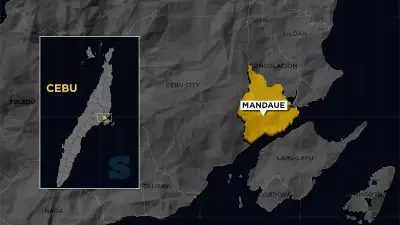
Equally significant is the project's regional scope, which aims to interconnect Danao, Consolacion, Mandaue, Cebu City, Talisay, Naga, and Carcar into a cohesive economic and labor market. This holistic approach acknowledges that traffic congestion cannot be resolved through fragmented, city-by-city planning—a long-overdue recognition in urban development strategies. Yet, lessons from other global cities serve as a cautionary tale: rail projects do not automatically alleviate traffic woes. They succeed only when seamlessly integrated into a broader, multimodal transport ecosystem. Without reliable feeder buses, modernized jeepney routes, safe pedestrian access, and convenient station connectivity, the subway risks becoming an expensive but underutilized asset, failing to deliver its promised benefits.

Critical Challenges: Cost, Ridership, and Governance
Cost emerges as a paramount concern, as underground rail construction ranks among the most expensive infrastructure forms, often soaring into hundreds of billions of pesos. Financing will likely hinge on National Government support and official development assistance, rendering the project susceptible to political shifts and funding delays. A partially completed subway would not only fail to ease traffic but could also impose long-term fiscal and urban burdens on the region. Ridership poses another critical test: the subway will thrive only if people can access stations easily without relying on private vehicles. This necessitates disciplined route rationalization, efficient integration with buses and jeepneys, and walkable station environments. Absent these supporting systems, car dependency will persist, and surface congestion will endure despite the presence of underground trains.

Land Use and Strategic Development
Land use planning stands as an equally decisive factor. If subway stations are encircled by low-density developments, car-centric malls, or poorly designed streets, ridership projections may fall short. Transit-oriented development—characterized by compact, mixed-use communities within walking distance of stations—must be embedded in local zoning and development policies. Otherwise, the subway will merely chase existing development rather than proactively shaping sustainable urban growth. Governance will ultimately determine the project's fate, requiring effective coordination among national agencies, local governments, and transport operators that extends beyond feasibility studies. Clear institutional responsibility for operations, maintenance, and fare integration is essential; without robust governance, even technically sound transport systems struggle to deliver lasting advantages.
Beyond a Silver Bullet: A Comprehensive Mobility Strategy
Public discourse often treats mega-projects as silver bullets, but the Metro Cebu Subway is not one. Traffic congestion stems from decades of car-oriented planning, weak public transport, fragmented governance, and uncontrolled urban expansion. No single project, regardless of scale, can reverse these entrenched trends independently. Nevertheless, dismissing the subway outright would be a misstep. If implemented as part of a comprehensive mobility strategy, it could serve as the backbone of a modern public transport network in Cebu, potentially shortening travel times, expanding job access, reducing emissions, and bolstering the region's competitiveness as a business and tourism hub. More importantly, it could signal a paradigm shift from reactive road-building to strategic, people-centered urban planning.
The High Stakes for Metro Cebu
If Metro Cebu is earnest about resolving its traffic crisis, the subway must be viewed not as a prestige project but as an integral component of a larger, integrated solution. Executed correctly, it could fundamentally reshape how Cebuanos move and live. Done poorly, it risks becoming another ambitious vision undermined by familiar constraints like funding shortfalls and governance gaps. For a region already bearing the high costs of congestion—from lost productivity to environmental degradation—the stakes could not be higher. The success or failure of this endeavor will echo through Cebu's economic vitality and social well-being for generations to come.