Tragedy on Gov. Cuenco Avenue: Rescue Volunteer Killed by Potholes
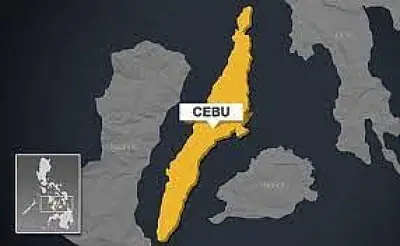
A young rescue volunteer's death has exposed critical failures in Cebu's public works system, turning what should have been a routine motorcycle ride into a fatal tragedy. Ghohan Ganar Aquino, 24 years old, lost his life in the early hours of November 12, 2025, when his motorcycle hit multiple potholes on Gov. Cuenco Avenue in Banilad, Cebu City.
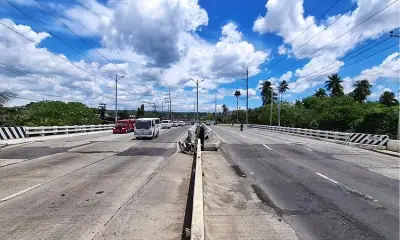
The victim, who was assigned as a rescue volunteer in Bogo City, was traveling down the Banilad flyover toward Don Gil Garcia when the incident occurred. According to reports, poor asphalting work had left the road surface dangerously compromised, causing Aquino's motorcycle to tumble and throw him onto the pavement with fatal consequences.
Contractor Under Fire: WT Construction's Questionable Work
The section of road where the tragedy occurred had undergone re-asphalting work beginning in September 2025 by contractor WT Construction. Shockingly, within less than three months and after several rainy days, the newly laid asphalt had already deteriorated into what witnesses described as a "sungkaan" pattern of potholes.

Motorists reported that the damaged road surface significantly slowed traffic as drivers attempted to navigate the hazardous conditions. More critically, the area lacked proper safety measures including warning signs, protective barriers, and adequate nighttime lighting that could have prevented the fatal accident.
Just two days before Aquino's death, on November 10, 2025, the DPWH Cebu City District Engineering Office had already taken action against the contractor. Assistant District Engineer Alfredo Hernandez wrote to WT Construction owner Willy Te, demanding "immediate compliance to repair the damaged asphalt" within 15 days and threatening contract termination under Republic Act 9184 if the company failed to comply.
Accountability Gap: Who Bears Responsibility for Road Safety?
The tragedy has raised serious questions about accountability in public works projects. Despite the DPWH's warning letter, it was ultimately the department itself that patched the dangerous potholes rather than the responsible contractor.
While the Cebu City Government isn't the procuring entity for this DPWH-managed national road, legal experts emphasize that local government units retain responsibility for keeping public roads safe regardless of ongoing construction work. The DPWH and city engineers are mandated to enforce safety protocols, conduct regular inspections, and halt operations when contractor lapses threaten public safety.
This incident highlights a systemic failure where dangerous road conditions were left unaddressed, with safety concerns effectively delegated to motorists rather than being properly managed by authorities and contractors.
The death of Ghohan Ganar Aquino represents more than just another traffic statistic. It serves as a stark reminder that public works projects are fundamentally public safety operations that require constant vigilance and accountability from all parties involved.