Samal-Davao Bridge Project Achieves Over 53% Completion, On Track for 2028 Finish
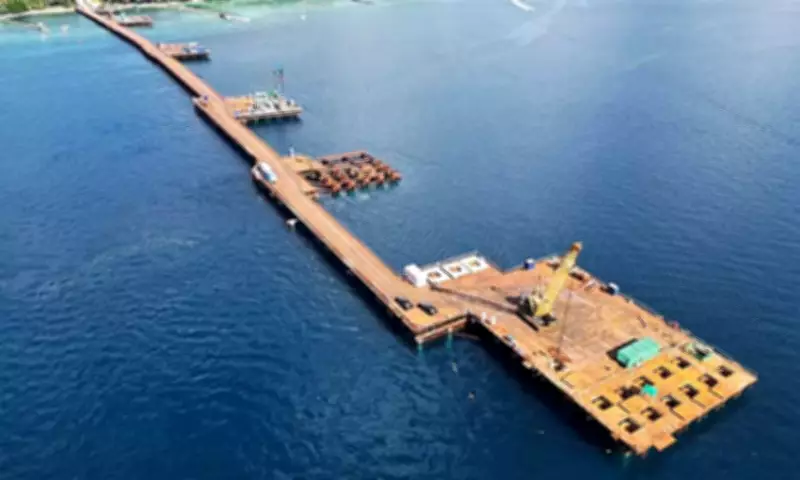
The Department of Public Works and Highways (DPWH) has announced significant progress on the Samal Island-Davao City Connector (SIDC) Project, with the infrastructure initiative now reaching an impressive 53.473 percent actual physical accomplishment. According to a report from the Philippine Information Agency–Davao Region (PIA-Davao), the project is currently ahead of schedule, boasting a positive slippage of 3.936 percent compared to the planned completion rate of 49.536 percent. This milestone underscores the project's steady advancement toward its anticipated completion by September 2028.
Economic Viability and Potential Delays
Despite the progress, the DPWH has adjusted the project timeline, moving the completion date from the original target of August 30, 2027, to September 2028. There is a possibility of further extension to September 2030 due to potential funding constraints. The agency highlighted that approximately ₱4.69 billion is required for 2026 alone, warning that construction could be suspended by May 30, 2026, if sufficient funds are not secured. This financial uncertainty poses a significant challenge to maintaining the current pace of work.
On a positive note, the project remains economically robust. Using a 9 percent discount rate, it has demonstrated a Benefit-Cost Ratio (BCR) of 2.57 and an Economic Internal Rate of Return (EIRR) of 15.67 percent. Even with a hypothetical 20 percent increase in capital costs, the BCR stands at 1.85 and the EIRR at 14.29 percent. PIA-Davao further noted that anticipated tourism gains could elevate the EIRR to as high as 17.38 percent, enhancing the project's long-term financial appeal.

Project Specifications and Benefits
The SIDC Project is a toll-free, four-lane extradosed bridge spanning 4.76 kilometers. It will connect R. Castillo–Daang Maharlika in Davao City to the Samal Circumferential Road, featuring a 275-meter main span and a 47-meter vertical clearance to accommodate marine traffic. The bridge includes a 1.62-kilometer marine section supported by 73-meter-high pylons, along with roundabouts, ramps, and approach roads. Once operational, it is expected to drastically reduce travel time between Davao City and the Island Garden City of Samal from 30 to 50 minutes to just about five minutes, significantly boosting trade and tourism in the region.
Legal Challenges and Environmental Concerns
The project is not without its hurdles, as it faces ongoing legal challenges. On July 1, the Supreme Court issued a Writ of Kalikasan, directing the DPWH, the Department of Environment and Natural Resources (DENR), the Samal Island Protected Landscape and Seascape Protected Area Management Board, and China Road and Bridge Corp. to respond within 10 days. Additionally, the Court referred a request for a Temporary Environmental Protection Order (TEPO) to the Court of Appeals in Cagayan de Oro. This follows a previous ruling on June 10, 2025, where the Court of Appeals denied a request to halt construction, indicating a complex legal landscape that could impact future progress.
In summary, while the Samal-Davao Bridge Project shows promising advancement and economic potential, it navigates critical funding and legal obstacles that will shape its ultimate timeline and success.