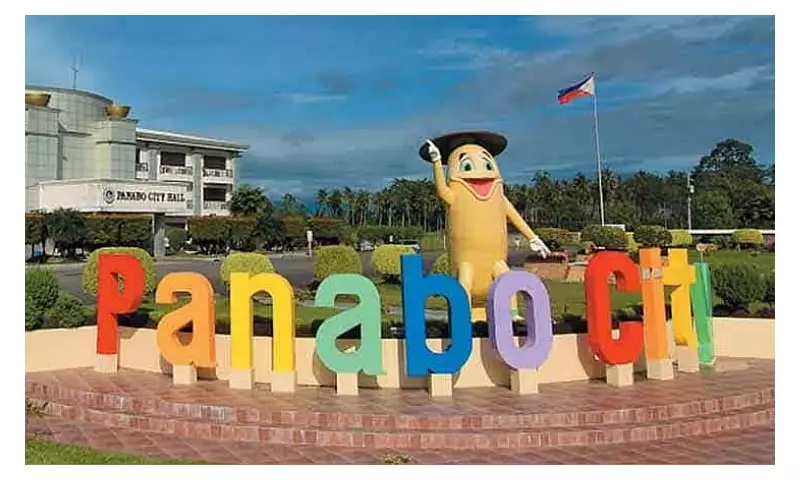
Panabo City in Davao del Norte has launched an aggressive campaign to position itself as a major investment destination in Southern Mindanao, unveiling a comprehensive package of reforms including a revamped investment code, expanded fiscal incentives, and citywide promotion efforts.
New First-Class Status Fuels Investment Ambitions
The intensified push comes after Panabo City achieved first-class status effective January 1, 2025, under Republic Act No. 11964 or the Automatic Income Classification of LGUs Act. The reclassification, implemented through Department Order No. 074-2024 of the Department of Finance, recognizes the city's achievement of an average annual income of P1.3 billion or more over the three fiscal years preceding the general income reclassification.
City Administrator Pedrito Misoles emphasized that Panabo is shifting from a passive approach to one anchored in data-driven promotion and ease of doing business enhancements. "We are here to strengthen Panabo City's appeal to investors and ensure our stakeholders understand their shared responsibility in transforming our economic landscape," Misoles stated during the Business Symposium on Ease of Doing Business Innovation held on November 12, 2025.

Bold New Investment Code with Tiered Incentives
The centerpiece of Panabo's investment agenda is the newly amended 2024 Local Investment and Incentive Code, described as the boldest and most competitive incentive package the city has ever offered. The revised code expands fiscal incentives significantly, allowing qualified projects to enjoy tax holidays of up to ten years—a substantial increase from the previous maximum of three years.
The incentive structure is strategically tiered: investments in urban centers may receive up to five years of incentives, while those in rural barangays and designated growth corridors qualify for the full ten-year tax relief. This approach aims to direct growth toward underdeveloped areas where land remains abundant and agricultural potential is strong.
"Rural areas receive the highest incentives because that is where we want investments to take root," Misoles explained. "We want progress not just in the center but in communities that have long waited for real development."
Beyond fiscal perks, the code institutionalizes crucial non-fiscal benefits including one-stop business facilitation, streamlined permitting, regulatory guidance, and a dedicated "green lane" for strategic investments.
Strategic Positioning and Agricultural Focus
Panabo's reinforced investment drive leverages its strategic geography between Davao City's metropolitan center and Tagum City's rapidly expanding commercial zones. Acting Local Economic Development and Investment Promotions Officer Michael Angelo Resueño described Panabo as offering investors a cost-efficient alternative with less congestion, easier movement of goods, and direct access to strategic facilities.
"Panabo has space, connectivity, and an emerging industrial structure," Resueño noted. "This is the right time for investors to revisit our city and recognize the opportunities here."
The city's investment pitch strongly emphasizes its identity as an agricultural powerhouse, with a vision to become an agri-industrial gateway in Southern Mindanao. The strategy involves transitioning from traditional agricultural production toward higher-value processing and manufacturing, modernizing farming practices, diversifying crop production, and incorporating more mechanized systems.
Resueño also highlighted growth opportunities in renewable energy, mariculture, green development, waste management, and logistics—all sectors included in the city's updated investment priority areas.
Overcoming Legislative Hurdles
The path to the new investment code wasn't without challenges. Councilor Omar Ranain, who championed the ordinance, recounted the two-year revision process involving lengthy debates, strong objections from several council members, and political maneuvering that nearly stalled passage.

Critics questioned the scope of incentives, potential revenue impact on the city, and composition of the investment board. However, Ranain defended the reforms, arguing that competitive incentives are essential for attracting industries capable of generating employment and expanding commercial activity.
The Business Symposium also marked the launch of the Investment Education Road Show, a comprehensive, year-long initiative aimed at preparing stakeholders, strengthening the city's investment climate, and aligning policy reforms with Panabo's larger goal of capturing new capital inflows.
Despite ranking fifth nationwide in resiliency under the 2024 Cities and Municipalities Competitiveness Index, city officials acknowledge the need to improve in economic dynamism, infrastructure, innovation, and government efficiency—competitiveness pillars crucial to attracting investors.
"These rankings remind us that we must work harder," Misoles admitted. "If we want to compete with established centers like Davao City and fast-growing Tagum, we must enhance our investment climate and create conditions that make Panabo a serious contender."
The city government plans to conduct targeted investor consultations, technical forums, business-matching sessions, and barangay-level orientations throughout the coming year to ensure communities, business owners, and local leaders understand and support the city's investment strategy.