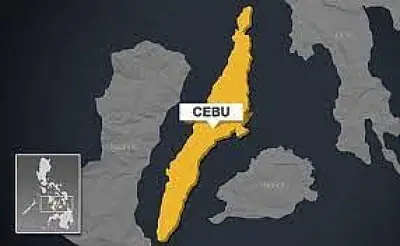
Nearly 4,000 health workers in Cebu City who risked their lives during the COVID-19 pandemic are still waiting for their legally mandated financial benefits, prompting a city official to demand immediate action.
Years of Unpaid Service and a Call for Accountability
In a privilege speech delivered during the City Council's regular session on Tuesday, December 2, 2025, Cebu City Councilor Pastor "Jun" Alcover Jr. revealed the ongoing plight of the city's former pandemic frontliners. He called for urgent action and a clear explanation for the delay in releasing the Health Emergency Allowance (HEA) for almost four thousand city health personnel.
Alcover described the multi-year delay as an administrative failure. He disclosed that former frontliners, including nurses, barangay health workers, midwives, medical technologists, encoders, disaster responders, and support staff, have recently approached his office to complain. Their grievance is stark: they have not received a single peso of their HEA for services rendered in 2021, 2022, and 2023.

Legally Mandated Benefits for High-Risk Service
Under Republic Act 11494, known as the Bayanihan 2 Law, and Republic Act 11712, the Public Health Emergency Benefits and Allowances for Health Care Workers Act, the national government is required to provide a monthly HEA to all public and private health workers. The amount is based on their level of risk exposure during the public health emergency.
The entitlement for each worker is clear:
- P3,000 per month for office-based personnel.
- P6,000 per month for field workers.
- P9,000 per month for those deployed in hospitals and areas with high exposure to COVID-19.
Alcover emphasized the sacrifice of these workers, stating they "gambled with their lives at a time when there was no vaccine yet." The benefits are retroactive, covering work done since 2021. The councilor clarified to SunStar that the funds for these allowances have long been allocated by the national government, raising questions about the bottleneck preventing their release to the rightful beneficiaries in Cebu City.
Administrative Delay Leaves Frontliners in Limbo
The continued non-payment of the HEA represents a significant breach of trust and a financial burden for thousands of health workers who served at the forefront of the crisis. Councilor Alcover's public appeal in the City Council session places direct pressure on the concerned administration to expedite the process and provide transparency.
The situation highlights a critical post-pandemic accountability issue: ensuring that the promises made to protect and compensate pandemic frontliners are honored. The delay, spanning several years, affects not just the workers' livelihoods but also morale within the essential health sector, potentially impacting future emergency responses.