Panay Transport Groups Stage Holiday, Plan Strike Over Fuel Price Crisis
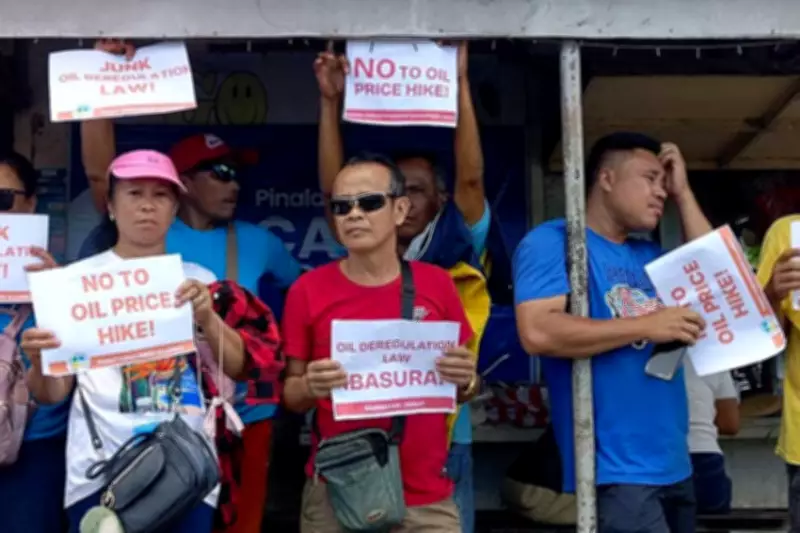
Transport cooperatives in Panay, backed by the organization Bayan Panay, staged a significant transport holiday on March 23, 2026, in a powerful protest against escalating fuel prices. The action served as a direct call for government intervention to address the mounting financial pressures on drivers, operators, and commuters alike.
Escalation to Nationwide Strike
Organizers have announced plans for a broader transport strike on March 26, 2026, aligning with a nationwide call from the No to Oil Price Hike Coalition and Piston. This follows previous strike actions held on March 19 and 20, indicating a sustained campaign against what Bayan Panay describes as "historic oil price hikes."
The group criticized the government's perceived lack of decisive action, stating in a released statement: "As long as the state maintains a backward transport system that favors foreign manufacturers and works to guarantee the super profits of oil companies amid global crises, even drivers and operators who complied with the forced consolidation scheme of the PUV modernization program will be bound to suffer."

Financial Strain on Transport Sector
Bayan Panay highlighted that both consolidated and traditional public utility vehicle (PUV) drivers and operators continue to face severe financial strain. This is attributed not only to rising fuel costs but also to accumulating debts and high operational expenses. The organization noted a particular hardship: some drivers who have not complied with consolidation requirements remain unable to register their vehicles officially, despite continuing to serve commuters in their communities.
Demands for Comprehensive Solutions
The group emphasized that fare hike proposals, while seen as legitimate by some, must be paired with more fundamental measures. They argue for a dual approach: lowering fuel prices and increasing workers' income to enhance overall purchasing power.
"Calls for fare hikes, while legitimate, must be coupled with demands to bring down fuel prices and to enhance the purchasing power of the toiling masses," Bayan Panay stated. They further advocated for subsidies to be extended universally to all affected sectors, without restrictive qualifications based on consolidation status or voter registration.
Specific Policy Demands
Among its detailed list of demands, Bayan Panay called for:
- An immediate rollback of fuel prices to pre-crisis levels of P55 per liter.
- The removal of value-added tax and excise taxes on petroleum products.
- The implementation of price controls on oil and basic commodities.
- Universal subsidies for affected sectors, alongside wage increases for workers, farmers, and fisherfolk.
- The repeal of the Oil Deregulation Law to restore government regulation of fuel prices.
- The re-nationalization of Petron.
- An end to foreign conflicts that contribute to global oil supply instability.
Call for Broader Unity and Action
Bayan Panay stressed the necessity of broader unity across all sectors impacted by fuel price increases, including transport workers, commuters, and general consumers. They linked the current local crisis to global developments, such as geopolitical tensions affecting oil supply, and urged measures to shield the transport sector and the public from further economic fallout.
The organization reported that recent protests in Panay have already raised these pressing concerns and urged the government to act swiftly on their demands. Bayan Panay remains open to dialogue with other transport groups to collaboratively push for measures that would ultimately benefit drivers, operators, and the riding public.
Reiterating their stance, the group concluded that collective action among all affected sectors is essential to compel authorities to respond effectively to the challenges faced by the transport sector. The ultimate goal is to ensure accessible, affordable, and efficient public transportation services for all.