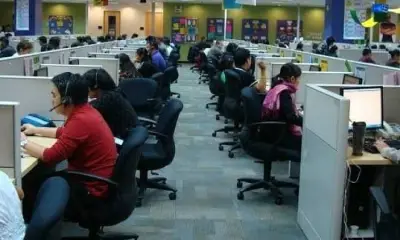
July is Anti-boredom Month, a time to reconsider the value of dull moments. According to F. Scott Fitzgerald, boredom is not an end-product but an early stage in life and art, through which clear products emerge after passing through a filter of creativity and time.
Minecraft: From Boredom to Billions
Markus "Notch" Persson, a Swedish video game developer, may have been bored in 2009 when he took inspiration from other games to create Minecraft. Described as an open-ended "sandbox" video game or a digital Lego set, Minecraft allows players to collect, break, or rearrange blocks in a 3D world to build anything they imagine or go on adventures. Microsoft acquired the game in 2014 for $2.5 billion, turning Persson's boredom into immense wealth.
Elon Musk's The Boring Company
Elon Musk, stuck in Los Angeles traffic, channeled his boredom into a multi-million-dollar endeavor. He named his infrastructure and tunnel startup The Boring Company, a play on words. Rather than build expensive subways, Musk envisioned a faster system. The Boring Company bores twin-tunnel networks to transform boring city traffic jams into faster underground trips. Musk was instrumental in conceptualizing the Loop and Hyperloop systems, where passengers travel in electric vehicles directly to their destinations with no stops in between.

These examples show that with creativity, time, and fervor, boredom can be monetized. As Fitzgerald suggested, going through boredom as a filter can lead to clear, valuable products.