Sustained Investor Confidence in West Cebu Estate
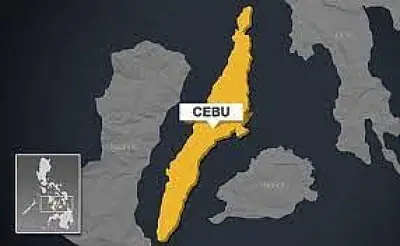
Aboitiz Economic Estates has reported a significant milestone, with approximately 50 percent of the inventory at its ongoing 40-hectare industrial expansion within the West Cebu Estate already sold. This robust sales performance, announced in November 2025, signals sustained and strong investor confidence in the potential of Cebu's western growth corridor.
Evolving into an Integrated, Sustainable Township
This major expansion is a core part of the developer's strategy to transform West Cebu Estate from a traditional industrial park into a fully integrated, industry-anchored township. According to Rafael de Mesa, Vice President for Operations of Aboitiz Economic Estates, the remaining 20 hectares are anticipated to attract companies from the manufacturing and related sectors.
To support the growing community, plans are actively underway to introduce complementary commercial and residential components. "We're looking at developing additional complementary components, which would include commercial uses such as a supermarket, a transport terminal and lifestyle and housing opportunities," de Mesa stated. He described this as the "natural progression of an industry-anchored township evolving into a well-rounded district."

A Global Milestone in Green Shipbuilding
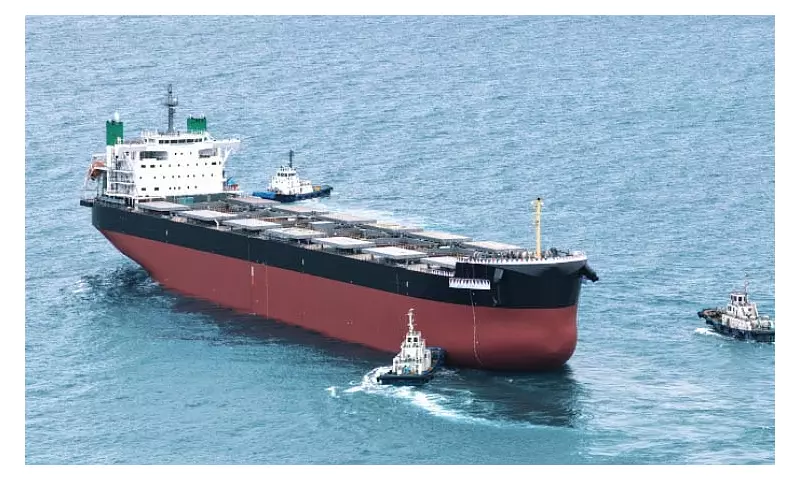
West Cebu Estate, renowned as the shipbuilding capital of the Philippines and home to Tsuneishi Heavy Industries (Cebu) Inc., recently catapulted into the global spotlight. It achieved a landmark in sustainable shipbuilding with the launch of the world’s first methanol-powered Kamsarmax bulk carrier.
During his address at the Cebu Industrial Summit 2025, de Mesa emphasized that Cebu's industrial evolution is powered by resilience, innovation, and collaboration. "Cebu’s economy continues to inspire us at Aboitiz Economic Estates. Our estates have become platforms for progress — where industry leaders, local enterprises, and government converge to create impact beyond economic metrics," he remarked.
He also highlighted other Aboitiz developments contributing to this vision, including the MEZ2 Estate in Lapu-Lapu City. This estate hosts global manufacturers like Sauna World Inc., which recently expanded by four hectares to become the estate's largest locator. Further cementing Cebu's shift towards a circular economy, the Plastic Odyssey Project micro-factory at MEZ2 is operational, converting plastic waste into reusable materials.
Aboitiz Economic Estates stated that its transformation from an industrial park developer to a builder of integrated economic ecosystems reflects the next phase of Cebu's growth story—a phase anchored on innovation, sustainability, and inclusive development.
"Cebu’s foundation for the next wave of industrial growth has never been stronger," de Mesa concluded. "By working together — government, investors and industry — we can design and unlock the next chapter of Cebu’s industrial journey, one defined by innovation, partnership and shared prosperity."