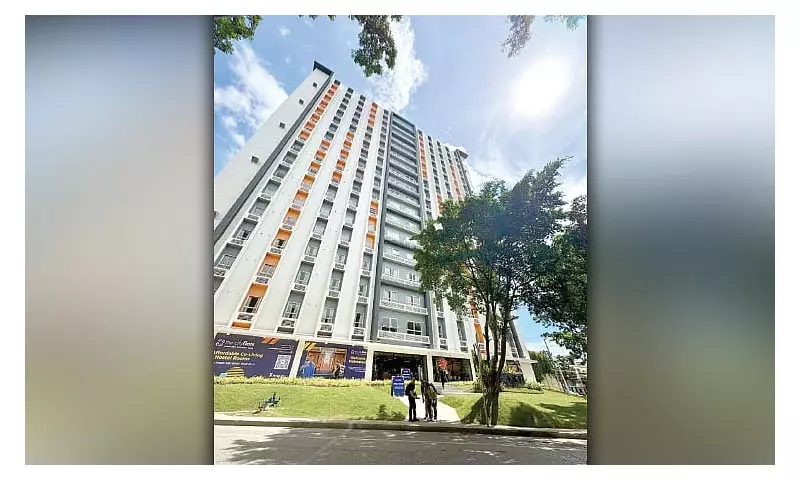
Ayala Land Inc. (ALI) has officially launched its second co-living development in Metro Cebu, signaling a strategic push to capture the growing demand for flexible and affordable urban housing among young professionals and students.
New Co-Living Hub Opens in Cebu Business Park
On Tuesday, December 2, 2025, the property giant conducted a soft opening for its latest CityFlats property along Leyte Loop in Cebu Business Park (CBP). The new development features a total of 392 fully furnished and move-in-ready rooms, designed to cater to the modern tenant seeking convenience and community.
In an interview, Bryle Mendaros, ALI's estates development manager for Cebu, explained the value proposition. He highlighted that unlike condominium ownership, which comes with numerous additional costs, their co-living model simplifies expenses to just rent and utilities, all within a secure environment.

Responding to Market Demand and Traffic Woes
The expansion of co-living spaces in Metro Cebu is directly linked to two critical urban challenges: severe traffic congestion and escalating rental costs. With daily commutes often stretching to an hour each way and traditional rents consuming a large portion of income, alternatives that shorten travel time and reduce monthly outlays are gaining traction.
Mendaros revealed that due to robust market response, ALI has adjusted its lease terms. Initially requiring three- to six-month contracts, units can now be booked for short-term stays of just one to two months. This flexibility attracts project-based workers and transient residents. Furthermore, the design is inclusive, with each floor containing units adapted for persons with disabilities.
Strategic Pause and Competitive Landscape
This CBP project will be ALI's last co-living launch in Cebu for the immediate future, as the company shifts focus to absorbing its current inventory. The first CityFlats opened in Cebu IT Park in April 2025, offering 466 rooms split between 396 co-living units and 70 hostel rooms.
Mendaros expressed confidence in filling the existing stock by tapping the large workforce in both Cebu IT Park and Cebu Business Park, as well as the student population. He noted that a majority of tenants at the IT Park site originate from Cebu's neighboring islands.
The new CityFlats CBP allocates 80% of its units to co-living, with the remainder operating as hostel rooms. These hostel rooms are priced to compete with platforms like Airbnb but offer hotel-style amenities such as daily housekeeping and Wi-Fi.
Supporting this market trend, Joey Roi Bondoc, Research Director at Collier Philippines, stated in a separate interview that co-living facilities effectively tackle the twin issues of traffic and housing affordability for employees. He predicted that demand will continue to rise as more BPO workers and entry-level professionals populate central business districts, urging developers to differentiate through amenities and pricing.