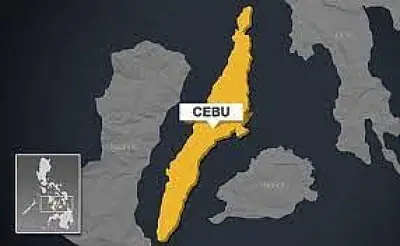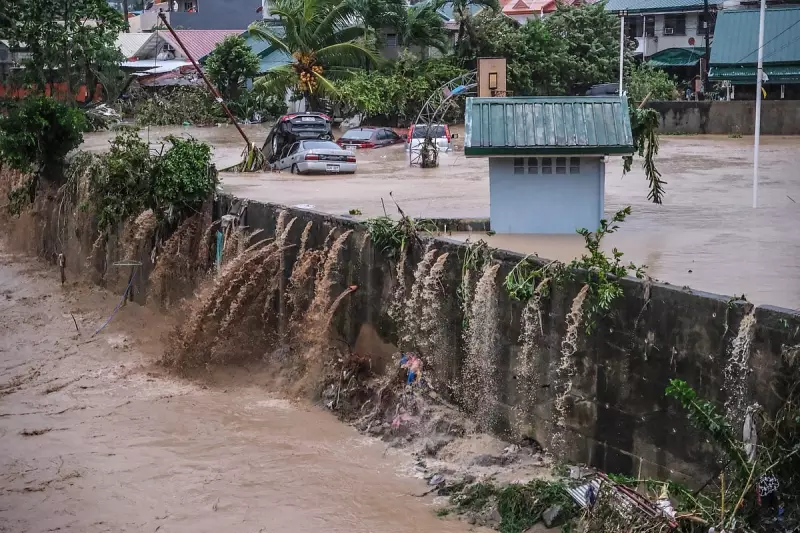
The catastrophic flooding triggered by Typhoon Tino, internationally known as Kalmaegi, has thrust real estate developments in Cebu's mountainous regions into an unwelcome spotlight. The disaster, which resulted in a tragic loss of 269 lives and inflicted widespread destruction on homes and infrastructure, has ignited urgent calls for more robust risk management within the Philippine property sector.
Many residents have pointed to failed flood control projects and what they describe as unplanned or poorly managed hillside developments as key factors that worsened the flood's severity. This event has served as a brutal wake-up call, emphasizing the critical need for developers to embed comprehensive flood mitigation strategies directly into their projects from the very beginning.
Industry Experts Call for Proactive Planning and Master-Planned Communities
Joey Roi Bondoc, Director for Research at Colliers Philippines, stressed the necessity of proactive planning in the wake of the disaster. He confirmed that flooding is a primary issue developers must confront head-on moving forward.

"This is one reason why major firms develop master-planned communities to address issues such as traffic congestion, flooding, as well as lack of green and open spaces," Bondoc explained. He described these integrated communities, which combine residential, commercial, and recreational areas with proper drainage and ample open spaces, as the emerging benchmark for sustainable urban development in flood-prone regions like Cebu.
Shift in Buyer Behavior and Market Dynamics
The flooding has also delivered a powerful cautionary message to property buyers. Bondoc strongly urged prospective homeowners to perform extensive due diligence, advising them to "double/triple check the location of residential developments, do research, and ensure that flooding issues are addressed by developers."
This advice is already being heeded, according to market observations. Clementine Rama, owner of Rama Realty and Brokerage, noted a significant shift in buyer behavior. She reported that purchasers are now far more selective, actively avoiding properties in flood-prone barangays such as Liloan, Talisay, Talamban, Kalunasan, and Balamban.
"Properties in high-risk areas often take longer to sell and may see price reductions of 10 percent to over 30 percent as buyers factor in potential repair costs," Rama stated. She added that buyers are increasingly prioritizing elevated locations with proven, effective drainage systems. They are now conducting detailed checks on a property's flood history, the developer's compliance with regulations, and the specific mitigation features in place before committing to a purchase.
Rama also highlighted the evolving role of real estate brokers, emphasizing that transparency and expertise are now paramount. "Full disclosure about flood risks, highlighting resilient properties, and guiding clients through due diligence builds trust and ensures long-term value," she said. She also pointed out that rising flood insurance premiums and increased caution from lenders are beginning to influence market dynamics significantly.
Urbanization Impact and a Shared Responsibility
Local government officials and urban planners have identified a root cause of the problem: rapid urbanization in Cebu's mountains. This development has altered natural waterways and reduced the land's natural capacity to absorb heavy rainfall, which in turn exacerbates flooding in lower-lying communities.
While infrastructure improvements and stricter zoning regulations are under consideration, experts unanimously stress that achieving truly sustainable development must remain a shared responsibility among all industry stakeholders. As climate risks continue to intensify, Typhoon Tino stands as a stark reminder that resilience and foresight are not just beneficial but critical for the future of the real estate sector.
Industry observers believe that the hard lessons learned from Cebu's recent traumatic experience will profoundly influence how future projects are designed and executed. This event has the potential to reshape development practices not only in Cebu but in flood-prone areas across the entire Philippines.