Over 20 Homebuyers Turn to NBI in Legal Battle Against Tumabini Real Estate Corporation
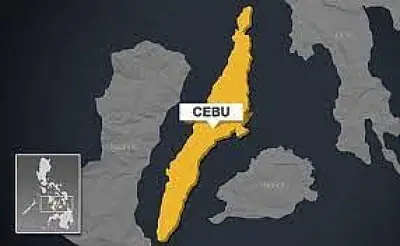
In a significant development, more than twenty individuals who purchased homes have sought assistance from the National Bureau of Investigation (NBI) to take action against Tumabini Real Estate Corporation. The complainants have leveled serious accusations, including syndicated estafa, illegal sales practices, and the issuance of checks without sufficient funds. These allegations are tied to unfinished preselling housing projects located in various parts of Metro Cebu.
Details of the Alleged Fraudulent Transactions
According to the complainants, their dealings with Tumabini began back in 2019. This was after the company announced the launch of preselling townhouse projects in key areas such as Carcar City, Consolacion, and several sections of Cebu City. The company had promised buyers that the homes would be turned over to them after a five-year period of equity payments.
However, some buyers have revealed to the media that despite making monthly payments over several years—amounting to approximately P300,000 to P400,000 per person—their homes have not been delivered. Furthermore, they have not received full refunds for their investments, leaving them in a precarious financial situation.

Key Revelations and Legal Implications
Natasha Marie Bello, one of the complainants, explained that it was only later that they discovered a critical issue: Tumabini Real Estate Corporation did not possess a License to Sell (LTS) issued by the Department of Human Settlements and Urban Development (DHSUD) for these specific projects.
Under Presidential Decree 957, developers are strictly prohibited from selling subdivision lots or condominium units without first obtaining an LTS. This law was established to protect buyers from fraudulent schemes and rushed sales tactics that could lead to significant financial losses.
The absence of this license raises serious legal questions about the validity of the sales transactions and highlights potential regulatory oversights in the real estate sector.
Broader Impact on the Real Estate Market
This case underscores ongoing challenges in the Philippine real estate industry, particularly concerning preselling projects. It serves as a stark reminder for potential homebuyers to exercise due diligence, such as:
- Verifying the developer's credentials and licenses before making any payments.
- Understanding the terms and conditions of equity payment plans thoroughly.
- Reporting suspicious activities to authorities like the NBI or DHSUD promptly.
The NBI's involvement marks a crucial step in addressing these allegations, and the outcome of this investigation could set a precedent for future cases involving real estate fraud in the region.