In a significant move to accelerate the development of affordable homes, the Philippine government is simplifying the tax exemption process for socialized and economic housing projects. Finance Secretary Frederick Go announced his full support for the Bureau of Internal Revenue's (BIR) initiative on Monday, December 22, 2025, aiming to make it easier for developers to build for low-income households.
Streamlining for Efficiency and Affordability
Secretary Go emphasized that the BIR's effort to streamline the application for a Certificate of Tax Exemption (CTE) is a key part of the government's commitment to enhance the ease of doing business. "I fully support the BIR in this effort, as it is my commitment to enhance the ease of doing business for our partners in development," Go stated. "This way, we can provide more affordable homes for low-income Filipino families." The primary goal is to remove bureaucratic hurdles, thereby encouraging more private sector participation in the crucial housing sector.
New Price Ceilings and a One-Stop Shop Platform
This administrative push is coupled with updated financial benchmarks. A proposed Joint Memorandum Circular (JMC) to be issued by the Department of Human Settlements and Urban Development (DHSUD) and other agencies introduces two major changes. First, it sets new maximum price ceilings for new house-and-lot packages under subdivision projects at PHP 950,000, increased from the previous PHP 850,000. The price cap for condominium units with land development remains at PHP 1.8 million.

Second, the JMC will launch the One-Stop Shop Processing Center (eHOPC) platform. This digital system is designed to generate all required documents automatically, leading to faster and more efficient processing of applications. To apply for the tax exemption, developers must first secure a Socialized Housing Certification from the DHSUD.
Fueling the 4PH Program's Momentum
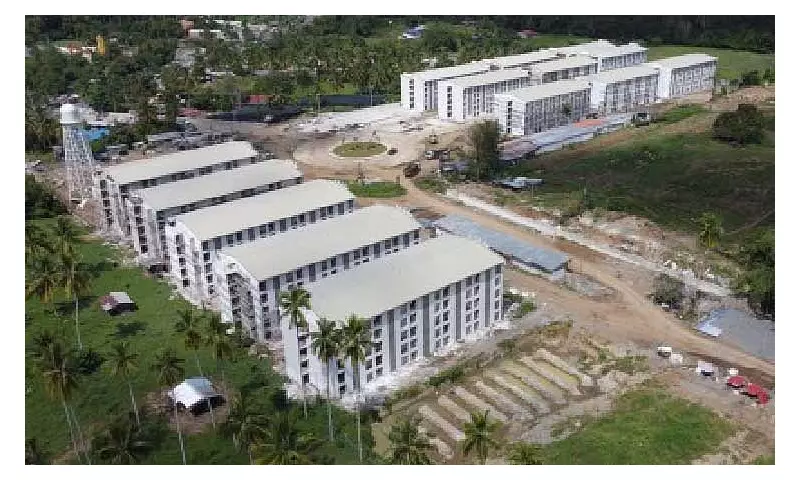
This policy adjustment is a direct boost to the Pambansang Pabahay para sa Pilipino (4PH) Program, the national flagship housing initiative. By making the tax incentive application process more efficient and adjusting price ceilings to reflect current economic realities, the government aims to significantly increase the pipeline of housing projects intended for minimum-wage and low-income earners. The move signals a practical approach to addressing the country's housing backlog through public-private partnership and regulatory ease.