Cebu's Retail Sector Faces Holiday Slump After Twin Disasters
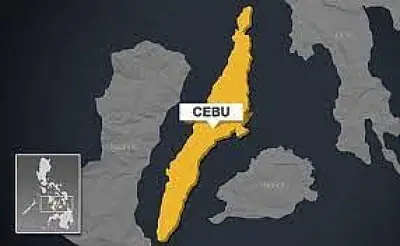
Retailers across Cebu are preparing for a significantly subdued holiday season as a devastating earthquake and a powerful typhoon, combined with a sluggish national economy, force consumers to prioritize rebuilding and basic necessities over Christmas purchases.
Robert Go, the spokesman for the Philippine Retailers Association-Cebu Chapter, stated on Monday, November 10, 2025, that sales have experienced a sharp decline since Typhoon Tino (Kalmaegi) struck the province the previous week. This typhoon impacted more than 10,000 families throughout Cebu, with approximately 3,500 to 4,000 families affected in Cebu City alone.
Rebuilding Takes Priority Over Festivities
According to Go, the financial reality for most households is dire. "Most families will be living hand to mouth", he explained. "Whatever money they get — whether from advances, 13th-month pay, or small loans — will go to repairing homes and buying food. We expect very little to no Christmas shopping this year."

The province's challenges began with a destructive 6.9-magnitude earthquake on September 30, which caused widespread damage. The situation was severely worsened just five weeks later when Typhoon Tino hit on November 4, a calamity that has already claimed 224 lives.
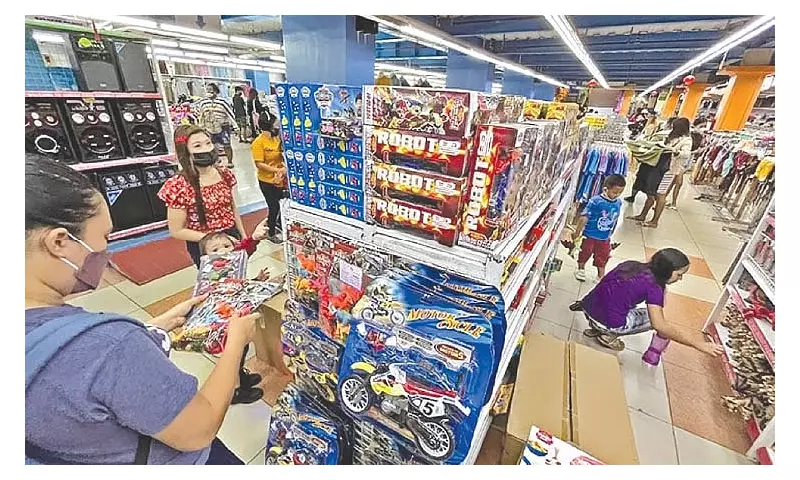
This shift in priorities has created a stark contrast in the local market. While hardware stores and construction suppliers are seeing increased demand, mall-based retailers, fashion outlets, and restaurants are reporting dramatically slower foot traffic and weak sales.
Corporate Spending Diverted to Relief Efforts
In a show of solidarity and practical response, Go revealed that many Cebu companies are considering fundamental changes to their year-end traditions. He indicated that businesses may decide to cancel year-end parties and instead divert those funds to relief and rehabilitation efforts for the communities ravaged by the twin disasters.
This pessimistic retail outlook is further compounded by the performance of the national economy, which grew by only four percent in the third quarter—its slowest pace in nearly two years. This slowdown reflects reduced public spending and weaker consumer demand, with economists warning that household consumption may remain low through December.
Go offered a glimmer of context, noting that "retailers expect a slight uptick only from high-income consumers closer to Christmas Day". However, for the vast majority of Cebu's population, he concluded, "spending is expected to remain at survival levels well into the new year."