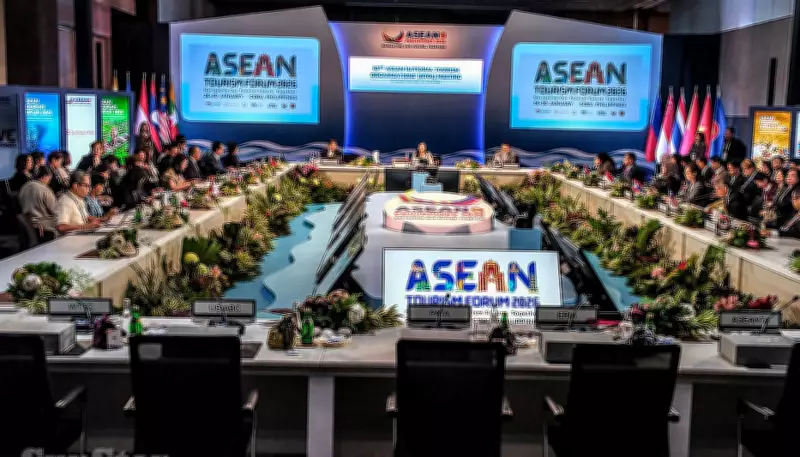
Tourism leaders across the Association of Southeast Asian Nations (ASEAN) are fundamentally reshaping the region's approach to tourism development, according to Philippine Tourism Secretary Christina Garcia Frasco. During the recent Philippines-led rollout of the ASEAN Tourism Sectoral Plan (ATSP) 2026–2030, ministers from all ten member states demonstrated a remarkable convergence of priorities, signaling a decisive shift from traditional volume-driven growth toward a model emphasizing quality, sustainability, resilience, and inclusion.
Learning from Crisis: A Shared Mindset Shift
Secretary Frasco highlighted that discussions revealed not differences in market size or maturity, but a unified change in perspective across ASEAN. "What stood out was not the difference in market size or maturity, but a shared shift in mindset," Frasco stated, emphasizing that mere recovery is no longer the ultimate objective for the region's vital tourism sector.
The COVID-19 pandemic served as a stark wake-up call, exposing structural vulnerabilities. Before the health crisis, tourism contributed over 12 percent to ASEAN's gross domestic product and supported approximately 42 million jobs. The pandemic devastated the industry, wiping out more than 80 percent of international arrivals and slashing tourism revenues by roughly three-quarters.

While international arrivals have rebounded impressively—reaching over 124 million in 2025 and generating more than $130 billion in receipts—ASEAN ministers unanimously agreed that the focus must now evolve. The goal is to build a more resilient and inclusive tourism ecosystem that can withstand future shocks while delivering equitable benefits.
Four Pillars of the New ASEAN Tourism Strategy
Sustainability as the Unifying Theme
Sustainability emerged as the strongest unifying theme across all member states. Ministers from Brunei and Lao PDR emphasized nature-based and eco-tourism models centered on conservation and low-impact visitor experiences. Cambodia and Indonesia highlighted community-based tourism approaches that integrate heritage protection with sustainable income generation for local populations.
Thailand framed sustainability as critical to long-term competitiveness, stressing the need to move beyond mere visitor numbers toward fair income distribution and responsible environmental stewardship. This represents a fundamental rethinking of success metrics for the region's tourism industry.
Building Physical and Social Resilience
Resilience—both physical infrastructure and social systems—constituted another shared concern among ASEAN tourism ministers. Participants pointed to increasing extreme weather events, earthquakes, and flooding across Southeast Asia as evidence that tourism planning must integrate comprehensive disaster preparedness, livelihood protection mechanisms, and rapid recovery protocols.
For countries like the Philippines, where millions depend directly on tourism for their livelihoods, safeguarding workers through skills training, social protection programs, and economic diversification is as vital as protecting physical destinations from climate impacts and natural disasters.
Digital Transformation Across the Sector
Digitalization featured prominently in national strategies presented during the discussions. Indonesia cited the growing use of artificial intelligence in travel planning and destination marketing, while Singapore and Malaysia stressed the importance of interoperable systems, data-driven policymaking, and seamless travel experiences for visitors.
Several ministers highlighted specific digital priorities including:
- Wider adoption of digital payment systems
- Implementation of smart destination management technologies
- Capability-building programs for micro, small, and medium tourism enterprises
Enhanced Regional Connectivity
Connectivity—through improved air, sea, and land links—rounded out the shared agenda. Ministers agreed that positioning ASEAN as a single, high-quality destination requires coordinated route development, streamlined visa facilitation processes, innovative cross-border tourism products, and joint marketing initiatives that showcase the region's diverse offerings.

From Competition to Collaboration
The discussions reflected a rare alignment among ASEAN tourism leaders: competition based solely on arrival numbers is giving way to collaboration on standards, sustainability practices, and shared growth strategies. This represents a significant evolution in regional tourism governance.
Secretary Frasco noted that the ATSP's primary challenge now lies in execution. Success will depend on translating regional commitments into coordinated national policies, securing appropriate financing mechanisms, and engaging private sector action to ensure tourism growth not only returns to pre-pandemic levels but improves in quality and distribution of benefits.
The Philippines-led initiative marks a pivotal moment for ASEAN tourism, setting a course toward a more sustainable, resilient, and inclusive future for one of the world's most dynamic tourism regions.