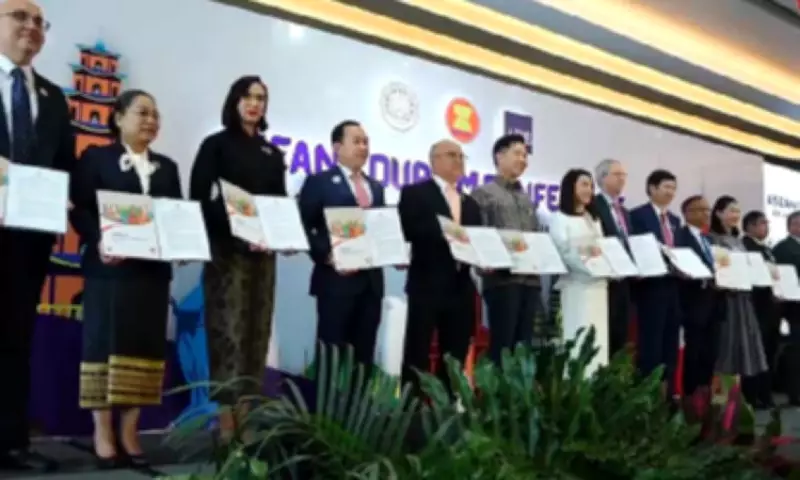
In a significant move to revitalize and future-proof Southeast Asia's tourism industry, the Association of Southeast Asian Nations (ASEAN) has officially launched its comprehensive sectoral tourism plan for 2026-2030. The unveiling took place during the ASEAN Tourism Forum held at the Nustar Hotel in Cebu City on Thursday morning, January 29, 2026, marking a pivotal moment for regional cooperation.
A Strategic Roadmap for Regional Tourism Growth
Tourism ministers from all ASEAN member states, in collaboration with ASEAN Dialogue Partners and the Asian Development Bank (ADB), presented the detailed roadmap at the 2026 ASEAN Tourism Conference. This initiative sets an ambitious target to establish seamless travel and diversify tourism markets across the region by the end of 2030, addressing both current challenges and future opportunities.
Five Core Priorities Driving the Plan
The ASEAN Sectoral Plan 2026-2030 is structured around five key priorities designed to create a robust and sustainable tourism ecosystem:

- Resilience Building: Developing a tourism sector capable of withstanding crises and unexpected shocks, ensuring stability in volatile times.
- Workforce Development: Enhancing skills and training for tourism professionals to meet evolving industry demands.
- Seamless Travel: Streamlining cross-border travel processes to improve visitor experiences and boost intra-ASEAN tourism.
- Digital Transformation: Leveraging technology to modernize tourism services and operations.
- Product and Market Diversification: Expanding tourism offerings and targeting new visitor segments to reduce dependency on traditional markets.
These priorities underscore a collective vision that emphasizes not just growth in scale, but also in value for workers, businesses, destinations, and local communities.
Economic Impact and Regional Collaboration
Tourism Secretary Christina Frasco highlighted the plan's significance, noting that it reflects a shared commitment to fostering a tourism industry that delivers tangible benefits. According to the latest ASEAN data, tourism contributes approximately USD 374 billion annually, accounting for 9.4 percent of the regional gross domestic product. The sector attracts an average of 127 million travelers to Southeast Asia each year, underscoring its critical role in economic development.
The new roadmap includes agreements among member states to promote investment opportunities, encourage more intra-ASEAN travel, and strengthen the ASEAN tourism brand through strategic marketing efforts. As the current chair of ASEAN, the Philippines, under Frasco's leadership, is poised to facilitate enhanced regional collaboration aimed at driving sustainable tourism growth that directly benefits communities across Southeast Asia.