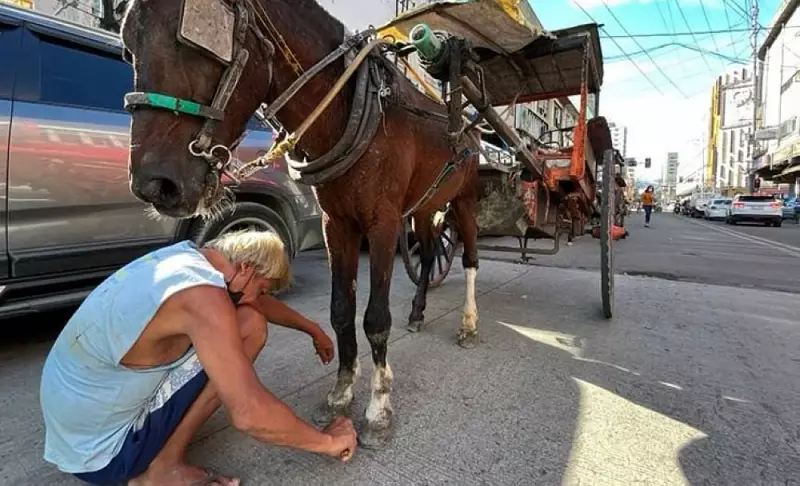
The iconic horse-drawn carriages, known as tartanillas, in Cebu City are set for a major regulatory overhaul. A new ordinance authored by Councilor Pastor "Jun" Alcover Jr. aims to formally regulate and preserve their operation, recognizing them as a vital part of the city's cultural heritage and a source of livelihood for drivers.
Key Provisions of the Calesa sa Sugbo Ordinance
The Calesa sa Sugbo Ordinance has several clear objectives. Its primary goals are to strengthen cultural and heritage policies while ensuring the safety, welfare, and professionalism of all tartanilla operations. Councilor Jun Alcover Jr. championed the measure to provide a structured framework for this traditional mode of transport.
Under the new law, all tartanilla operators must secure a Permit to Operate from the City Tourism Office. This permit comes with specific fees that operators are required to pay. The fee structure is broken down as follows: P100 for the permit itself, P50 for an official sticker, and P100 for a plate number. Once obtained, a laminated version of the permit must be displayed on the carriage at all times.

New Requirements for Drivers and Operators
The ordinance also sets forth strict requirements for the kutsero, or drivers, to ensure a standardized and professional appearance. First and foremost, every driver must be of legal age. They are also required to secure an annual accreditation from the city.
Furthermore, a specific uniform code has been established. Drivers must wear a white collared shirt paired with black pants. The ordinance also mandates that drivers wear proper footwear, which can be either shoes or sandals. These rules are designed to promote a neat and unified image for the industry.
Preserving Culture and Ensuring Safety
The passage of this ordinance marks a significant step in the formal recognition of the tartanilla as more than just transportation. It is an acknowledgment of its role in Cebu City's cultural identity and tourism appeal. By implementing clear regulations, the city government aims to protect the livelihood of current operators while ensuring the safety of both drivers and passengers.
The move is expected to integrate the traditional calesa more seamlessly into the modern urban landscape of Cebu, allowing it to continue operating in a safe, orderly, and professional manner for years to come. The fees collected are intended to support the administration and oversight of this cherished heritage asset.