Cebu's Heritage Tour Aims to Boost Tourism Beyond Festivals After ASEAN Forum
Cebu City anticipates a significant rise in tourist arrivals following the successful heritage tours conducted during the ASEAN Tourism Forum (ATF) 2026. City officials are actively promoting experience-based travel as a strategic approach to sustain tourism momentum throughout the year, moving beyond the traditional reliance on major festivals.
Mayor's Vision for Sustainable Tourism Growth
Mayor Nestor Archival expressed optimism about the exposure generated by the ATF heritage activities, expecting it to translate into heightened visitor interest in the coming months. "We expect more tourists after this, but we cannot say yet how many," Archival stated in Cebuano. He emphasized the city's strategic shift toward encouraging repeat visits and extended stays, rather than depending solely on one-time festival-driven travel patterns.
The mayor highlighted a critical challenge facing Cebu's tourism sector: "In ordinary months, hotel occupancy can go as low as 20 percent. During Sinulog, hotels are full. Our challenge is how to achieve that level of activity even outside the festival." To address this, the city is actively engaging ASEAN countries to encourage delegates and future visitors to return and further explore Cebu's rich potential for cultural and religious tourism experiences.

Immersive Heritage Experience for International Delegates
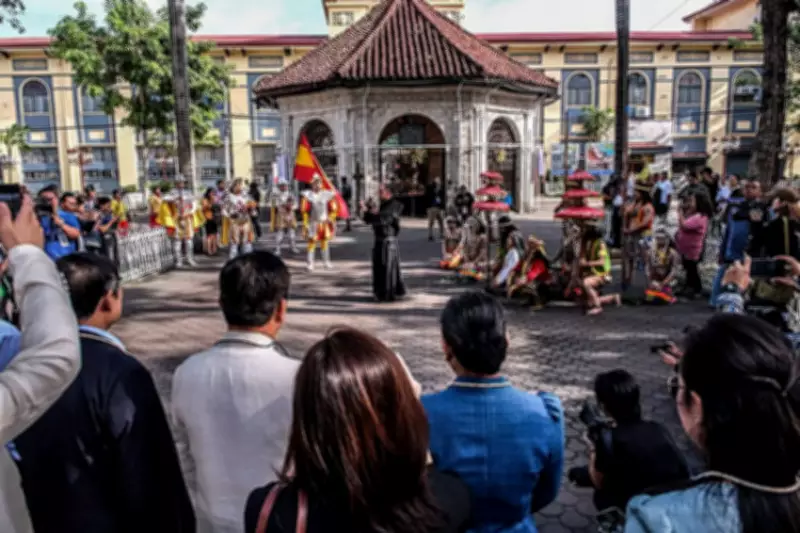
The heritage tours formed an integral part of the three-day ATF 2026, which commenced on January 28 and concluded on January 30. Instead of confining activities to formal meeting rooms, Cebu City opted to immerse delegates in its historic districts through the specially curated "Paglantaw: A Heritage Tour of Old Cebu." This innovative approach allowed participants to walk through centuries-old churches, museums, and significant landmarks, providing them with an authentic glimpse into Cebu's colorful past.
According to official figures from the City Government:
- On January 28, at least 105 participants joined the half-day tour, including four tourism ministers, heads of delegation, senior officials, permanent representatives to ASEAN, and aides from member states and dialogue partners.
- On January 29, an additional 53 delegates participated in the immersive experience.
Delegates and representatives came from diverse nations including:
- Myanmar
- Laos
- China
- South Korea
- Timor-Leste
- Vietnam
- India
- Japan
- Indonesia
- Russia
- Singapore
- The Philippines
Curated Cultural Journey Through Historic Landmarks
The heritage tour brought delegates to key cultural and historical sites that represent Cebu's deep historical roots. The carefully selected destinations included:
- Magellan's Cross
- The Basilica Minore del Santo Niño de Cebu
- Fort San Pedro
- The National Museum of the Philippines–Cebu
- Casa Gorordo Museum
- Museo Sugbo
During the tour, participants were also treated to local snacks and delicacies, enhancing their cultural immersion. Anne Marie Vestil, a tourism officer at the Cebu City Tourism Commission, explained that the heritage walk was meticulously curated to showcase Cebu's most historically important landmarks, following recommendations from the organizing committee responsible for planning delegate activities.
"Cebu City is known for its history and heritage, so that's what we highlighted, the heritage walk tour. Hopefully, we can capture their hearts so they will return and help increase visitor arrivals in the coming years," said City Councilor Nice Archival, chair of the committee on tourism.
Strategic Investments and Sustainability Initiatives
To prepare for this international event, the Cebu City Government allocated approximately P900,000 for the cleaning and preparation of heritage and tourism sites included in the tour. Mayor Archival confirmed that these funds were utilized to ensure all areas were presentable and fully prepared for international visitors.

As part of the city's sustainability efforts, electric buses were deployed for the heritage tours. The mayor indicated that these environmentally friendly vehicles will continue to be used for similar activities in the future, demonstrating Cebu's commitment to sustainable tourism practices.
Focus on Religious and Cultural Tourism Identity
Mayor Archival reiterated the city's strategic focus on religious tourism, pointing to Magellan's Cross as a powerful symbol of Cebu's role as the cradle of Christianity in Asia. The city hopes this historical significance will resonate strongly with both regional and international visitors seeking meaningful travel experiences.
Vestil emphasized that these heritage sites reflect Cebu's long-standing historical importance and serve as a testament to its unique cultural identity. "This is meant to help boost the tourism industry of Cebu. That is the purpose of having ASEAN-related tourism activities, so Cebu City will also be in the limelight," she explained, noting that the tour reinforces Cebu's image as a culturally rich destination while supporting the local tourism sector's recovery efforts.
Measuring Impact and Future Prospects
City Councilor Nice Archival revealed that the impact of the ATF heritage tours on tourist arrivals will be carefully assessed in the coming months. This evaluation will help Cebu City determine whether experience-based tourism can effectively stabilize visitor numbers beyond major festival periods.
The heritage tour specifically highlighted Old Cebu's oldest and most prominent landmarks, which are considered among the city's most valuable cultural assets when presented to international delegates. Beyond merely promoting historical awareness, the tour aims to position Cebu as a destination offering profound cultural experiences at a time when the local tourism sector is actively working to rebuild momentum and overcome recent challenges.