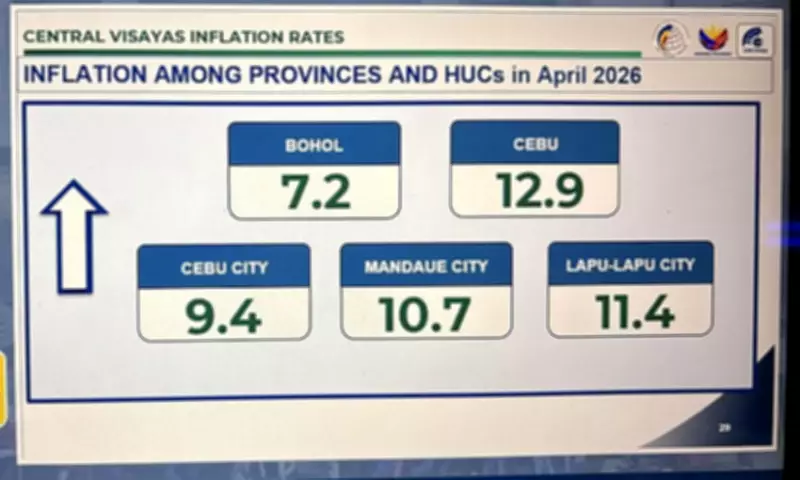
The Philippine Statistics Authority (PSA) released data on Wednesday, May 13, 2026, revealing that inflation in Cebu province surged to 12.9 percent in April 2026, up from 9.1 percent in March. This figure is higher than the 10.8 percent inflation rate recorded in Central Visayas and the national average of 7.2 percent.
Key Drivers of Inflation
The primary contributors to the price increase were food and non-alcoholic beverages, transport, and housing and utilities, including electricity, water, and fuel. Food prices alone accounted for 54.9 percent of the overall inflation, with food inflation climbing to 17.5 percent in April from 12.5 percent in March. Notable spikes include a 30 percent surge in fish and seafood prices and a 68.6 percent increase in vegetables. Rice prices also rose after a decline in the previous month.
City-Level Data
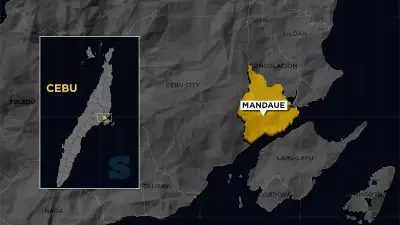
Among Cebu's major cities, Lapu-Lapu City recorded the highest inflation rate at 11.4 percent, followed by Mandaue City at 10.7 percent and Cebu City at 9.4 percent. In Cebu City, food inflation accelerated to 14.9 percent, driven by higher prices of fish, rice, and vegetables, with vegetables alone increasing by 86.3 percent. Lapu-Lapu City saw food inflation rise to 20.7 percent, primarily due to a 27.6 percent jump in rice prices and higher costs of seafood and vegetables. Mandaue City posted an 18.2 percent food inflation rate, with increases in rice, seafood, fruits, and vegetables.

Expert Analysis
Economist Ser Percival Peña-Reyes noted on Tuesday, May 12, that Central Visayas remains highly vulnerable to inflation shocks due to its geographic and economic structure. The region relies heavily on imported fuel, inter-island shipping, tourism, and logistics, making it susceptible to price fluctuations.