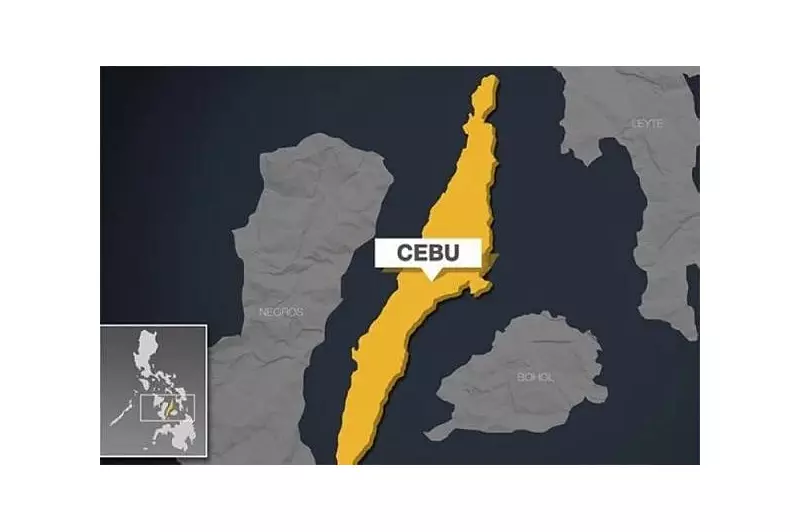
The province of Cebu is being positioned as a cornerstone of the Philippines' national strategy to become a major player in the Asian cruise tourism market. This move comes as the government actively works to include more Philippine destinations on the itineraries of regional and international cruise lines.
Cebu's Pivotal Role in National Cruise Development
Tourism Secretary Christina Garcia Frasco revealed the plan during a recent gathering with tourism stakeholders in Cebu. She expressed that it was previously "baffling" that Cebu, with its robust international air links, wide array of attractions, and mature hospitality industry, had been missing from the country's cruise tourism map for so long.
"That has now changed," Frasco declared. She pointed to the recent docking of the international cruise ship mv Odyssey in Cebu as a turning point. This vessel, which arrived shortly after a recent earthquake, carried passengers with extensive global travel experience, having visited over 140 countries.

The Secretary emphasized that Cebu will have a "pivotal role" in the Department of Tourism's (DOT) comprehensive plans to develop the cruise sector. This development is being pursued in tandem with efforts to enhance air and marine connectivity nationwide.
Cruise Tourism as a Driver for Dispersed Growth
Frasco framed cruise tourism as a complementary engine for growth within Cebu's broader tourism economy, which already welcomed more than five million overnight visitors in 2024. She explained that cruise ship calls can help distribute tourists to both northern and southern parts of the province.
This dispersion is expected to directly benefit local businesses that are crucial to the tourism ecosystem:
- Tour operators and guides
- Restaurants and food establishments
- Small and medium-sized enterprises, especially in emerging destinations
The cruise initiative is part of a larger strategy to cement Cebu's status as the Philippines' primary international gateway outside of Manila. This strategy also includes expanding flight routes, improving road access to coastal areas, and investing in tourist rest areas.
Government Support Aligns with Recovery Efforts
The national government is integrating its cruise tourism development with ongoing recovery programs for areas in Cebu affected by recent earthquakes and typhoons. These natural disasters impacted thousands of tourism workers across the province.
Frasco stressed that maintaining the confidence of investors and cruise line companies depends on continuous improvements in visitor convenience, safety, and destination access. This goes hand-in-hand with infrastructure upgrades and tourism planning that accounts for climate resilience.
According to a Philippine News Agency report, the country is preparing for 127 cruise ship calls in 2026, a figure that signals the "sustained engagement" of major cruise operators with the Philippine market. This collaboration is key to the sector's recovery and future expansion.
"Cruise tourism, for us in the Philippines, is not only about arrivals. It is about the entire Philippine experience, the jobs created, the businesses sustained and the communities empowered," Frasco stated.
In the immediate term, the DOT anticipates 136 cruise calls will bring approximately 43,369 passengers to the Philippines before the end of 2025. Manila remains the top cruise gateway, followed by Puerto Princesa and Boracay. To facilitate travel, the DOT has already issued nearly 7,000 cruise visa waivers, simplifying entry for cruise passengers and boosting the country's overall accessibility.