Cebu Tourism Office Presents Recovery Strategy After Twin Disasters
The Cebu Provincial Tourism Office is preparing to unveil a comprehensive tourism master plan that includes culinary mapping and community-based sustainable tourism initiatives. This strategic move comes as the province recovers from two consecutive natural disasters that significantly impacted tourism operations across multiple regions.
On September 30, 2025, a magnitude 6.9 earthquake struck with its epicenter offshore Bogo City, affecting twelve northern local government units including Bogo City, Medellin, San Remigio, Tabogon, Daanbantayan, Madridejos, Bantayan, Borbon, Sogod, Catmon, Tabuelan, and Santa Fe. Just over a month later, Typhoon Tino battered central Cebu and the Camotes Islands on November 4, further complicating recovery efforts.
Assessment and Recovery Efforts Underway
Provincial Tourism head Rowena Montecillo confirmed in a November 12 interview that the master plan integrates recovery strategies, training programs, sustainability measures, and marketing initiatives to rebuild the province's vital tourism sector. "The master plan is there already but we are going to amend it, to be reviewed again by the Cebu Tourism Council and then they will present it to the governor," Montecillo explained.

The tourism office, in coordination with the Provincial Engineering Office, has deployed assessment teams to evaluate damage to tourism establishments and determine the number of affected tourism workers. Montecillo noted that assessment efforts were temporarily delayed by clearing operations following Typhoon Tino, but teams are working to complete their evaluations as quickly as possible.
While all domestic and foreign guests in affected areas were confirmed safe, though some experienced temporary stranding, the typhoon damage requires additional assessment in central Cebu regions.
Southern Cebu Remains Open for Business
As recovery continues in northern and central Cebu, marketing focus has shifted to southern Cebu, where tourist attractions remain fully operational and accessible. "After the assessment, hopefully, we can continue our marketing plan for the north because right now, we can only promote the southern part since clearing operations are also being done there," Montecillo stated.
The affected area has expanded beyond initial projections, now including regions up to Consolacion and portions of Mandaue. Despite these challenges, some certified accommodation establishments in northern Cebu have been confirmed structurally sound and are being featured on the Provincial Tourism Office's Facebook page while the official website undergoes development.
Regular safety updates are being released online, particularly for adventure activities like canyoneering in Badian. "When we market, we always think of safety first. Adventure tourism remains very sellable, but we are also promoting pilgrimage tourism routes from Cebu City to Carcar, Argao, and Boljoon," Montecillo emphasized.
Culinary Mapping and Community Empowerment
A significant component of the master plan focuses on culinary and community-based tourism, especially in northern Cebu where each town boasts distinctive food traditions and local produce. The province is collaborating with professional chefs to develop training programs that empower local communities, particularly women, to prepare and serve dishes using locally sourced ingredients.
"The governor wants communities to truly benefit from tourism. If we can teach them to cook using what's available in their gardens, tourists can enjoy authentic food experiences while locals earn income," Montecillo explained.
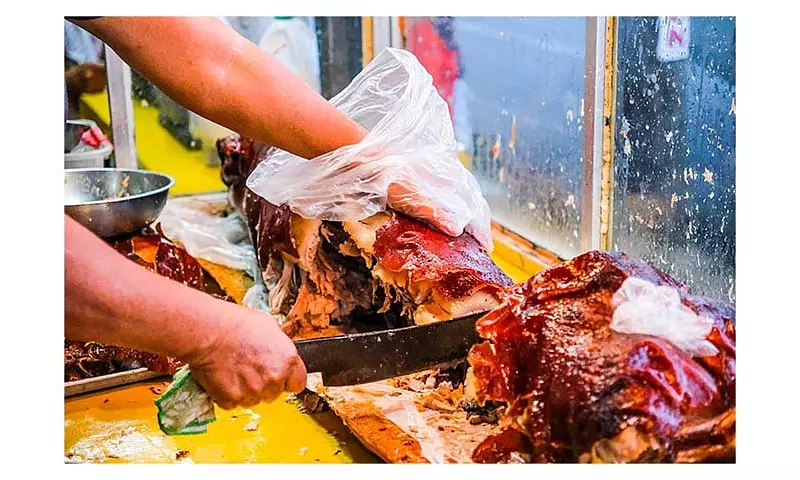
The culinary tourism approach emphasizes experiential activities, encouraging visitors to witness food preparation processes such as chicharon production in Carcar, humba cooking in Ronda, or hablon weaving in Argao, while learning the cultural stories behind each product.
The proposed culinary mapping project will identify specific towns specializing in particular dishes or products, showcasing Cebu's diverse culinary heritage. "We have many versions of food in Cebu — each one tells a story, and that's what makes it unique," Montecillo noted.

Skills Training and Diversified Tourism Offerings
The province has been conducting comprehensive training for tourism workers, including rope rescue, basic life support, and water safety sessions in Alegria and Samboan, with additional training scheduled through December.
In early December, Cebu will launch its first Halal orientation training in Moalboal through partnership with the Provincial Muslim Affairs Office. "The orientation will be for supervisory staff who can share the knowledge with their teams. If successful, we plan to bring it to the north next year," Montecillo revealed.
Despite the significant challenges posed by natural disasters, Montecillo remains optimistic about tourism recovery. "We can only be hopeful in tourism. Whether affected by politics, natural, or man-made disasters, tourism will always find a way to recover," she concluded.
The Cebu Tourism Council is finalizing its presentation to Governor Pamela Baricuatro, which will include the complete marketing plan, training initiatives, and sustainable tourism framework. While Halal tourism has already received approval, the culinary mapping project awaits final presentation to the governor.