Malacañang has announced that the government is taking concrete steps to address the persistent issue of high domestic airfares, which officials have identified as a significant barrier to enhancing tourism competitiveness across the Philippines. This move comes amid growing concerns that expensive flights are deterring both local and international travelers from exploring the country's renowned island destinations.
Root Causes of Elevated Airfare Prices
Palace Press Officer Claire Castro explained on Thursday that the problem of costly domestic flights has been under ongoing discussion within government circles. She highlighted that certain routes within the Philippines, such as those to popular spots like Siargao, often carry higher price tags compared to flights to other Southeast Asian countries, putting the nation at a competitive disadvantage in the regional tourism market.
Operational Challenges with Smaller Aircraft
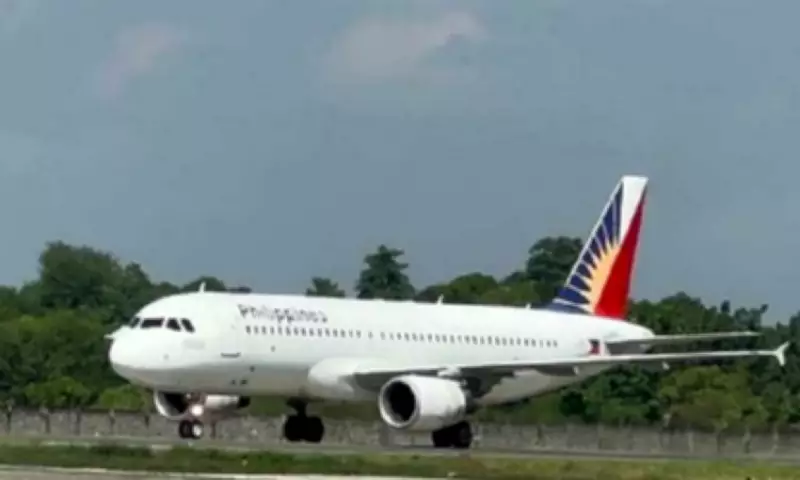
Castro detailed that Transportation Secretary Giovanni Lopez, through the Department of Transportation (DOTr), has pinpointed one primary factor driving up fares: the reliance on smaller aircraft for many domestic routes. These planes, which typically accommodate only 60 to 70 passengers, incur operational costs nearly equivalent to those of larger jets capable of carrying up to 200 passengers. This economic inefficiency directly translates into higher ticket prices for consumers.

She further noted that for remote island destinations, smaller aircraft are frequently the only viable option due to infrastructure limitations, making fare reductions more challenging but not impossible. This structural issue underscores the complexity of balancing accessibility with affordability in the archipelago's aviation sector.
Government Initiatives to Lower Costs
In response, the DOTr has engaged in negotiations with major Philippine airlines, including Philippine Airlines and Cebu Pacific, to secure commitments for lowering airfares. Castro confirmed that these carriers have agreed to reduce prices on key routes, including those servicing Siargao, as part of broader efforts to make travel more economical and boost visitor numbers.
Regulatory Oversight and Fuel Surcharge Adjustments
Additionally, the Civil Aeronautics Board (CAB) plays a crucial role in monitoring and influencing fare structures. Castro emphasized that the CAB consistently reminds airlines to adjust fuel surcharges downward whenever global fuel prices decline. This proactive regulatory approach aims to ensure that savings from lower fuel costs are passed on to passengers, effectively contributing to more affordable air travel options across the domestic network.
Boosting Tourism Through Major Events
Beyond airfare issues, Castro pointed to the administration's unwavering focus on strengthening the tourism industry as a whole. She cited the recent formal opening of TRAVEX 2026 in Cebu City, led by Tourism Secretary Christina Frasco, as a testament to these efforts. This premier travel and trade platform successfully convened 271 buyers from 50 countries, alongside 124 Philippine sellers and 222 Southeast Asian exhibitors, fostering valuable connections between regional destinations and global markets.
The Palace official also highlighted the successful launch of the ASEAN Tourism Forum in Lapu-Lapu City, Cebu, where First Lady Liza Araneta-Marcos and Secretary Frasco personally welcomed ASEAN tourism ministers and dialogue partners. These high-profile events underscore the Philippines' commitment to positioning itself as a top-tier destination in the international tourism landscape, despite ongoing challenges like airfare affordability.
Overall, the government's multifaceted strategy—combining airline negotiations, regulatory vigilance, and large-scale tourism promotions—aims to create a more competitive and accessible travel environment for all, ultimately driving economic growth and showcasing the Philippines' natural and cultural treasures to the world.