Philippine Tourism Faces Uphill Battle as Foreign Arrivals Lag
The Philippines continues to struggle with reviving its tourism sector, with foreign visitor numbers remaining significantly below pre-pandemic levels while neighboring Southeast Asian countries have largely recovered. According to Benito 'Bong' Bengzon Jr., executive director of the Philippine Hotel Owners Association (PHOA), the country is facing what he describes as 'a perfect storm' of challenges.
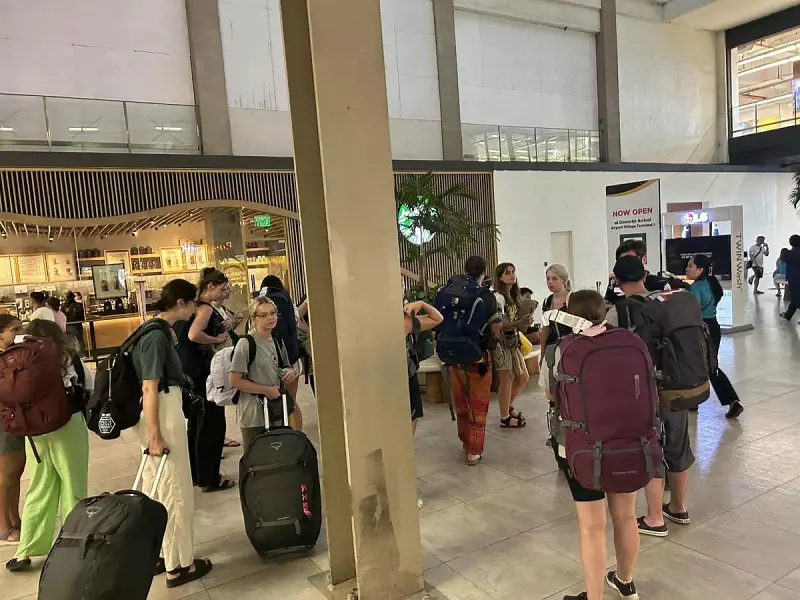
Foreign arrivals remain down by approximately 25 percent compared to 2019 levels, with only 5.9 million international visitors recorded last year versus 8.2 million before the COVID-19 pandemic. 'Hotels depend largely on inbound visitors, so any slowdown directly affects the bottom line,' Bengzon emphasized during an interview with Bilyonaryo News Channel.
Cebu's Hospitality Sector Confronts Multiple Challenges
The situation appears particularly challenging in Cebu, where the hospitality industry continues to face headwinds following recent natural disasters. A series of earthquakes and storms, including Typhoon Tino and a magnitude 6.9 earthquake off Bogo City, have hampered business recovery despite renewed efforts to reassure travelers about safety.

Mia Singson-Leon, president of the Hotel, Resort and Restaurant Association of Cebu Inc., noted that while hotels initially provided refuge for locals during power outages and flooding, occupancy rates dropped once electricity was restored. 'We're seeing some pickup now, but still not yet at par with last year,' she acknowledged.
Alfred Reyes, general manager of Bai Hotel, confirmed that demand remains sluggish due to the back-to-back disasters and ongoing economic pressures, though no major cancellations have been reported.
Key Markets Decline as Recovery Efforts Intensify
The tourism downturn has been exacerbated by sharp declines from previously reliable source markets. Chinese tourist arrivals plummeted from 1.8 million in 2019 to just over 300,000 last year, affected by visa processing issues, geopolitical tensions, and changing travel preferences. Korean visitors have also decreased significantly.
Bengzon pointed to positive policy developments that could help reverse the trend, including the e-visa rollout for Chinese travelers, visa-free entry for Indian nationals, and VAT refunds for foreign tourists. 'These are positive developments,' he said, while stressing that infrastructure improvements, better connectivity, and sustained marketing must remain government priorities.
The Department of Tourism (DOT) has actively worked to restore visitor confidence, confirming that most hotels, resorts, and key tourism sites in Cebu remain operational and safe. Tourism Secretary Christina Garcia Frasco has urged travelers not to cancel planned visits to Cebu, emphasizing that continued tourism supports jobs, restores livelihoods, and aids community recovery.
Despite the challenges, industry players remain committed to prioritizing guest safety, comfort, and service quality as the sector gradually regains its footing. The industry maintains a 'cautiously optimistic' outlook for 2026, though Bengzon stressed that 'we're still some distance away from full recovery' and that stronger cooperation between government and private sectors will be crucial for meaningful progress.