Rethinking Philippine Tourism: The Case for Quality Over Quantity
In the competitive global tourism landscape, the Philippines faces a pivotal question: not whether it needs more tourists, but what kind of tourists it should attract. The answer lies in targeting solvent Western visitors who can transform the industry from a volume-based model to one driven by quality and sustainability.
The Economic Imperative of High-Value Tourism
Solvent Western tourists represent a crucial opportunity for the Philippine economy. Unlike budget travelers, these visitors typically spend more per capita, stay longer durations, and demand higher service standards. This shift could significantly increase tourism revenue, create better-paying jobs, and stimulate infrastructure development across the country.
The economic benefits extend beyond immediate spending. By attracting affluent visitors, the Philippines can reduce its dependence on low-budget mass tourism while improving its global competitiveness. This approach has the potential to lift substantial numbers of Filipinos out of poverty through sustainable economic growth.

The Challenge of Meeting International Expectations
Western tourists arrive with specific expectations shaped by global travel experiences. They seek clean, stylish accommodations at reasonable prices, sophisticated dining options emphasizing fresh ingredients, and tranquil environments for relaxation. The Mediterranean diet concept—with its focus on fresh produce, whole grains, and balanced nutrition—exemplifies the culinary standards many expect.
Unfortunately, outside major hubs like Manila and Cebu, the Philippines often struggles to meet these expectations. Provincial areas frequently lack upscale dining establishments, creative culinary options, and the atmospheric cafes that Western tourists appreciate during their leisure time.
Addressing Infrastructure and Cultural Gaps
Several critical issues must be addressed to attract and retain high-value tourists:
- Noise pollution control: Many Western tourists seek peaceful environments to escape their stressful work lives. Uncontrolled karaoke and loud music that disrupt neighborhoods create negative impressions, as highlighted by recent comments from Cebu City Vice Mayor Osmeña regarding noise pollution measures.
- Transportation integrity: The reputation of some taxi drivers who overcharge foreign visitors damages the country's tourism image and discourages repeat visits.
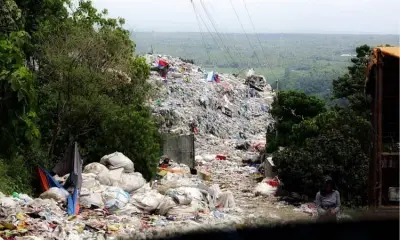
- Environmental cleanliness: Visitors expect clean public spaces free from garbage and waste, particularly in areas designed for leisure and relaxation.
Strategic Marketing and Service Delivery
To compete with destinations like Turkey, Italy, Spain, Thailand, and Malaysia, the Philippines needs a professional, well-executed promotional campaign. However, marketing must align with actual visitor experiences—disappointed tourists rarely return, making service delivery as important as promotion.
The country must develop a clear vision and implementation plan that addresses the specific needs of affluent Western travelers. This includes understanding their preferences, improving service standards nationwide, and creating unique experiences that justify choosing the Philippines over other established destinations.
The transformation toward quality tourism requires commitment across government, businesses, and communities. While challenging, this strategic shift offers the Philippines an opportunity to build a more sustainable, profitable tourism industry that benefits both visitors and local populations for generations to come.