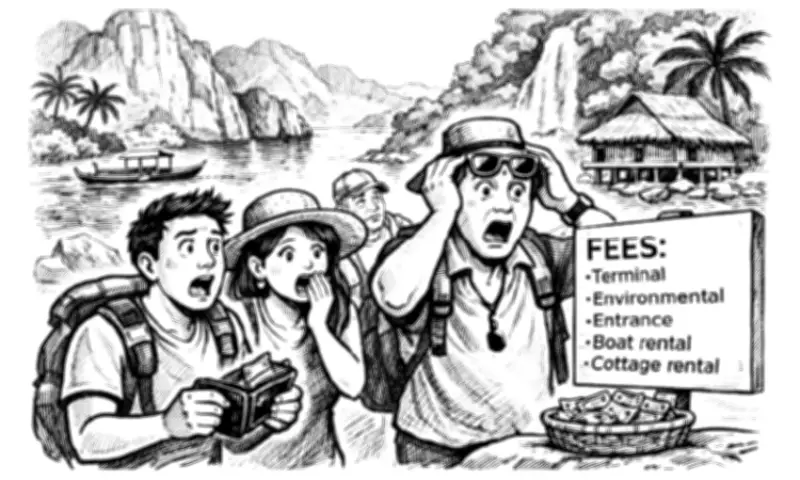
For Filipino citizens and international visitors alike, exploring the stunning destinations of the Philippines—from pristine beaches and heritage sites to cultural hubs—often comes with a harsh reality: domestic travel within the archipelago is prohibitively expensive. From steep airfare for local flights to costly inter-island transportation, the high expenses of touring one's own country remain a frequent complaint among tourists.
Upcoming Senate Hearing to Address Tourism Woes
Consequently, the upcoming resolution by the Senate Committee on Tourism scheduled for February 3 deserves close scrutiny. The fact that traveling to neighboring Asian nations such as Singapore, Thailand, Vietnam, or Hong Kong can be cheaper than journeys to local provinces in the Philippines is not just an oddity—it signals deep-seated structural problems within the tourism sector.
Root Causes of Soaring Travel Expenses
Several factors contribute to the inflated costs that burden travelers. High operational expenses, severe traffic congestion, and weak intermodal connectivity drive up fares, particularly on routes with limited competition. These issues create a financial barrier that discourages both domestic and international exploration of the country's rich offerings.

Infrastructure Deficiencies as a Major Hurdle
Gaps in infrastructure continue to play a significant role in escalating travel costs. Inefficient airports, underdeveloped seaports, poor road networks, and a lack of basic tourism facilities increase logistics expenses, which are ultimately passed on to tourists and travelers. These shortcomings not only affect affordable travel but can also ruin the memorable experiences of visitors, leaving them frustrated, inconvenienced, and unlikely to return.
Through such infrastructure gaps, the Philippines becomes less competitive compared to neighboring countries that have heavily invested in seamless transport systems. If left unaddressed, this situation risks erasing the nation from tourism opportunities—not due to poor destinations, but because of systemic issues that exploit price hikes.