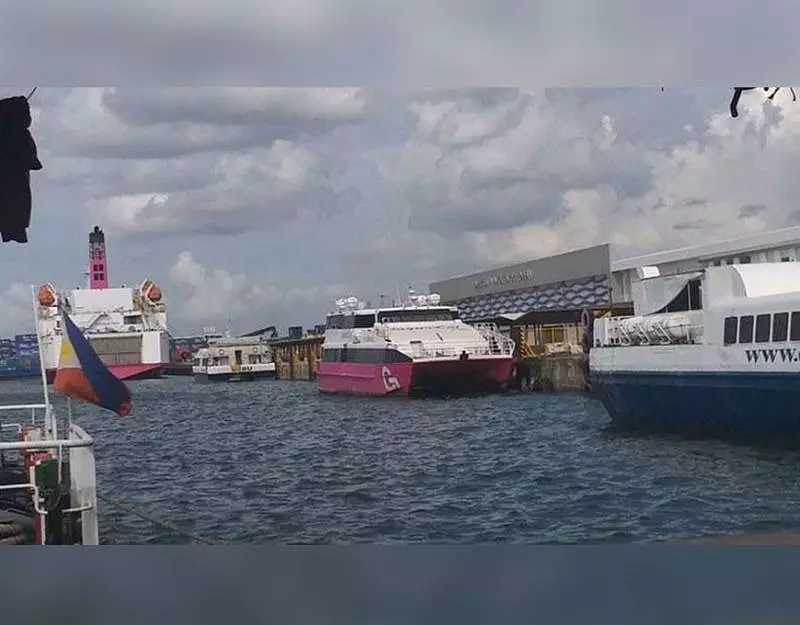
Shipping Fines Hike Put on Hold After Industry Warns of Price Surge
Travelers and businesses across the Philippines can breathe a sigh of relief as a proposed sharp increase in shipping fines has been temporarily suspended. This decision comes in response to strong warnings from local shipowners, who argued that the new penalties could force them to raise ticket prices and cargo fees nationwide.
Why the Delay Matters to Consumers and Businesses
The Philippine Coastwise Shipping Association (PCSA), representing over 50 companies and 800 vessels, successfully lobbied for a delay in new rules proposed by the Maritime Industry Authority (Marina). The shipping group highlighted that some of the proposed fines would skyrocket by 100 percent, with extreme cases seeing increases as high as 19,000 percent. Industry leaders cautioned that these excessive costs would inevitably be passed down to the public, making inter-island travel and goods shipment more expensive for Filipinos.
Seeking a Fair Balance Between Safety and Affordability
During a meeting held on Tuesday, January 27, 2026, PCSA Chairman Lucio Lim requested a pause in the proposal to allow experts to conduct a thorough review. He expressed concerns that the new penalties were drafted without sufficient consultation and lacked a clear rationale for the steep cost calculations. Marina officials explained their intent to update outdated regulations from 1992 to enhance safety and deter accidents. However, the Department of Transportation (DOTr) has now agreed to seek a middle ground.

DOTr Assistant Secretary Villamor Ventura Plan confirmed that the board will await further discussions to ensure the final rules are equitable for both the government and shipping companies. This move aims to balance regulatory improvements with the economic realities faced by the industry.
Challenges for Future Filipino Seafarers
The discussion also addressed critical issues affecting the future of Filipino seafarers. Currently, the shipping industry faces a significant bottleneck for students:
- Approximately 20,000 students graduate from maritime schools annually.
- Only 5,000 students, or 25 percent, manage to secure the necessary shipboard training to become professionals.
- Sixty-five percent of those fortunate students receive their training on PCSA member ships.
Given that many students depend on these domestic vessels for their career advancement, the PCSA emphasized that any new regulations must account for the actual conditions within the industry.
What Happens Next in the Regulatory Process?
The delay provides additional time to refine rules concerning licenses for boat captains, mechanics, and other crew members. A key point of contention is the required sea time for sailor promotions. While some proposals suggested a 36-month cap, many industry stakeholders advocate for maintaining a 48-month standard to ensure crews gain adequate hands-on experience for passenger safety.
By postponing the fine hike, regulators and shipowners hope to develop a system that promotes maritime safety without imposing undue financial burdens on everyday Filipinos. This collaborative approach seeks to foster a sustainable and secure shipping environment for the nation.