Visa-Free Entry for Chinese Nationals Expected to Significantly Boost Tourism in Cebu
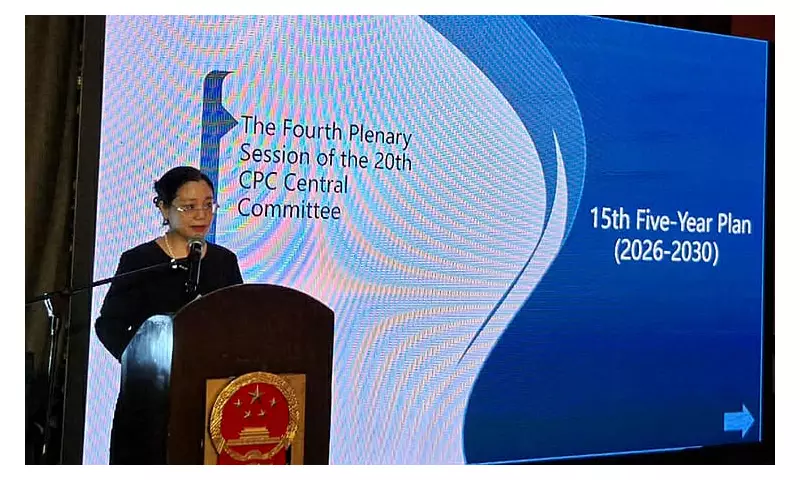
The Philippine government's recent implementation of a 14-day visa-free entry policy for Chinese nationals is anticipated to drive a substantial increase in tourist arrivals from China, with Cebu identified as a primary beneficiary, according to the Chinese Consulate General in Cebu. Chinese Consul General Zhang Zhen emphasized that this policy sends a very positive signal, simplifying travel to the Philippines for Chinese visitors and enhancing the country's competitive edge among Asian destinations.
Hospitality and Infrastructure as Key Factors for Tourism Growth
In an interview conducted on Tuesday, January 27, 2026, Zhang described the policy as a very constructive movement, noting that online searches for Cebu by Chinese travelers have already risen since the policy took effect. She highlighted the Philippines' strongest advantage as the warmth and hospitality of Filipinos, which she said strongly appeals to Chinese tourists. In my eyes, Filipinos are very warm, kind-hearted, and open-minded. This is the Philippines' strength, and that is what Chinese tourists favor, Zhang stated.
However, she underscored the necessity for continued improvements in infrastructure to sustain tourism growth, particularly in Cebu. Key areas include better air connectivity, enhanced traffic management, expanded Mandarin-language services, improved security measures, and a more tourist-friendly environment. Zhang pointed out that the Philippines faces intense competition from destinations across Southeast Asia and globally, all vying to attract Chinese travelers. Almost every country in Southeast Asia is trying their best to attract Chinese tourists — and not only in Southeast Asia. Chinese tourists are very popular globally, she remarked.

Potential Resumption of Direct Flights and Broader Bilateral Relations
With the visa-free policy now in place, Zhang revealed that Chinese partners and airlines are actively studying the possible resumption of direct flights to Cebu, though final decisions rest with the airlines. Personally, I do hope they can resume more and more direct airlines, which will bring more tourists here to Cebu and more Cebuanos to China, she expressed. Currently, Cebu maintains air links with several Chinese regions:
- Thrice-weekly flights to Shanghai via China Eastern Airlines
- Three weekly flights to Macau through AirAsia
- Twice-daily flights to Hong Kong via Cathay Pacific and 10 weekly flights via Cebu Pacific
Zhang also reflected on broader China-Philippines ties, noting that 2025 marks the 50th anniversary of diplomatic relations between the two nations. She cited cooperation in agriculture, infrastructure projects such as bridges in Davao and Manila, and energy sector collaborations as examples of tangible benefits. Additionally, she recalled China's assistance to Cebu following natural disasters, through donations and support from the Chinese Embassy, the Consulate General in Cebu, Chinese provincial governments, and business groups.
Emphasizing the importance of stable political relations and a favorable business climate for long-term economic cooperation, Zhang acknowledged existing maritime disputes between China and the Philippines. She expressed hope that negotiations on a Code of Conduct in the South China Sea would accelerate, especially with the Philippines serving as ASEAN chair this year. Concluding her remarks, Zhang called on the media to promote mutual understanding through objective and fair reporting and extended an invitation to the public and journalists to visit China, aiming to strengthen friendship and cooperation between the two countries.