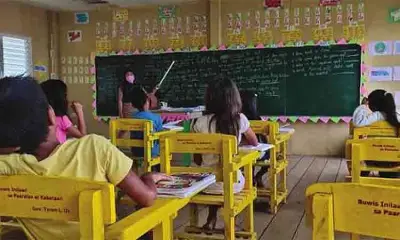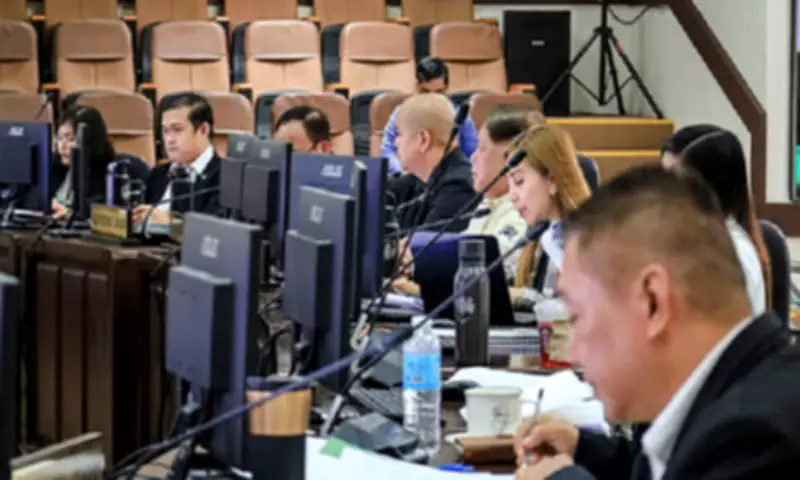
Cebu City Councilor Mikel Rama is calling for a major review of how the city helps students living in mountain areas. This comes after a close vote in the City Council decided not to add a new private school to the city’s scholarship program. The debate has sparked a conversation about how to best help students in remote areas while still following strict laws about how public money is spent.
The debate over scholarship access
The City Council recently voted 8-7 to reject the accreditation of the Asian College of Technology International Educational Foundation (Actief) Pit-os campus. Supporters of the school wanted it added to the city's scholarship list to make life easier for upland students. Currently, many students from mountain barangays have to travel long distances or pay for expensive private schools because there aren't enough accredited options nearby. However, Councilor Rama led the opposition, arguing that the city must follow the law when choosing partner schools. He believes that aid should be based on "existing laws" rather than "legally questionable solutions."
Balancing help with legal rules
Rama emphasized that while helping students is important, the city must protect its funds and follow proper procedures. "The law is our moral foundation," Rama said. He warned that bypassing rules to solve travel problems could set a bad example and weaken the oversight of the 24 schools already partnered with the city. Instead of adding more private schools right away, Rama suggested using other programs that are already in place, such as the Department of Social Welfare and Development (DSWD) and the Free Higher Education Law (which funds public colleges).

Listening to the students
The City Council is now looking for better ways to understand the "mountain student crisis." They are considering holding special sessions to invite students from upland barangays to speak directly to lawmakers about the challenges they face. The city also plans to collect data on senior high school graduates from the 2024-2025 school year. This information will help them decide if the problem can be fixed by improving transportation for students, better matching students with existing government programs, or finding a legally safe way to add more schools to the scholarship list in the future.
Why it matters
For Rama and the council, the goal is to find a balance. They want to make sure students in the mountains get the education they deserve without breaking the rules designed to protect the city's resources. The upcoming review will determine if the city can solve these travel and cost issues using the systems it already has or if a new plan is needed to keep upland students in school.