Students Demand Schedule and Facility Changes Amid Rising Summer Heat
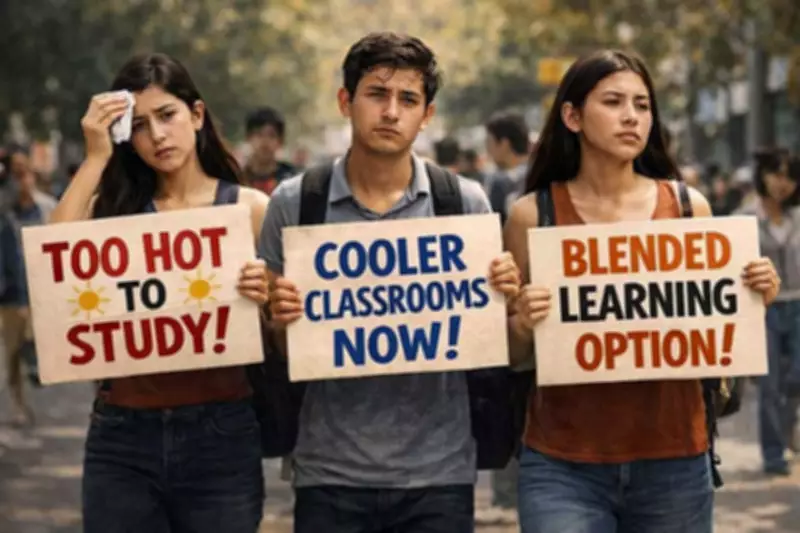
Students are increasingly advocating for modifications to school schedules and campus infrastructure as escalating summer temperatures begin to adversely affect their health and academic performance. While some learners find existing arrangements tolerable, a significant number have voiced serious concerns regarding inadequate cooling systems and the hazards of commuting during the hottest parts of the day. Their appeals encompass a shift towards blended learning models and enhancements to physical ventilation on school grounds.
Schedule Adjustments and Academic Productivity
Sean Bacus, a student at Southwestern University, reported that her schedule from 7 a.m. to 3 p.m. remains effective, as she feels more productive during the morning hours. Nevertheless, she proposed that adopting blended learning could provide much-needed relief, particularly since her department currently mandates full face-to-face classes.
In stark contrast, Aaron De Los Reyes, also from Southwestern University, highlighted that his classes commence at 1 p.m., aligning with the peak heat of the day. He expressed worry for peers who must undertake lengthy commutes under intense sunlight to reach campus during these sweltering periods.

Health Risks and Proactive Measures
Miguel Miro from the University of Cebu stressed that educational institutions must take proactive steps to adjust schedules, as many students are susceptible to heat-related illnesses. He observed that a portion of the student body favors completing assignments at home through blended learning to circumvent physical exhaustion.
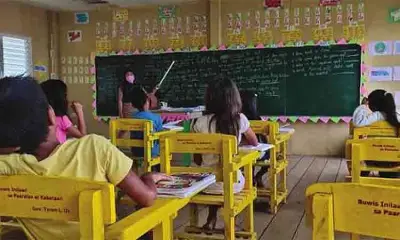
The absence of uniform cooling across campuses persists as a critical issue. While De Los Reyes noted that his school is generally well-equipped with air-conditioned classrooms, Miro recounted that certain rooms in his university lack air conditioning. He explained that these spaces remain excessively hot despite the use of electric fans, frequently resulting in students experiencing dizziness or fainting in crowded environments.
Campus Infrastructure Improvements
To alleviate the heat, De Los Reyes recommended that schools invest in more trees and shaded zones, such as by installing drapes over open areas. He also advised the installation of mineral water fountains to guarantee students remain hydrated throughout the day.
Miro suggested implementing a more relaxed dress code to aid student comfort, coupled with improved ventilation and additional water stations. Bacus reinforced these ideas, emphasizing the necessity for more shaded waiting areas, as library spaces often reach full capacity during free periods.
Student Responsibility and Systemic Changes
Despite the demands for institutional reforms, Bacus pointed out that students must also take personal initiative to safeguard themselves. She stated that individuals should be responsible enough to carry their own umbrellas and utilize refreshments available on campus.
While some institutions have provided accessible refreshments, students contend that more systemic alterations are imperative. They argue that as temperatures continue to climb, the conventional school environment must adapt to protect the well-being of the younger generation.