Reforming Philippine Education: A Comprehensive Blueprint for National Development
Education serves as the fundamental cornerstone for national development and individual advancement, empowering people to enhance their lives and contribute meaningfully to society. In the Philippines, however, the education system continues to grapple with numerous persistent challenges that significantly hinder its effectiveness and inclusivity. To address these systemic issues, a broad and coordinated set of reforms is urgently required to transform the educational landscape and better prepare students for the demands of the modern world.
Modernizing the Curriculum for 21st Century Demands
The current curriculum must undergo substantial updates to align with the evolving needs of the 21st century. A renewed focus should be placed on cultivating critical thinking skills, fostering creativity, developing digital literacy, and enhancing problem-solving abilities among students. Integrating advanced technology and introducing relevant subjects such as coding, environmental studies, and financial literacy will equip learners with the tools necessary to thrive in the global workforce. Importantly, these adaptations should be built upon a solid foundation of mastering basic competencies, ensuring that fundamental skills are firmly established before implementing more complex changes.
Strengthening the Teaching Profession
Teachers represent the essential backbone of any effective education system, making the enhancement of teacher quality through continuous professional development absolutely crucial. Many Filipino educators currently lack adequate access to updated training programs and modern teaching resources, which directly impacts their instructional effectiveness and student outcomes. To motivate and retain talented educators, implementing meaningful incentives such as competitive salary increases, clear career advancement pathways, and formal recognition programs can significantly boost teacher performance and job satisfaction.

Improving Educational Infrastructure and Resources
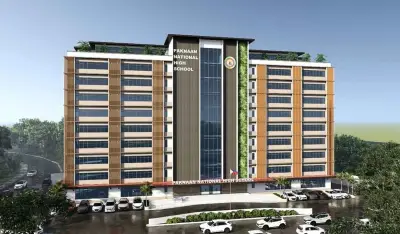
Numerous public schools across the Philippines suffer from severely inadequate facilities, overcrowded classrooms, and insufficient learning materials. Substantial improvements to school infrastructure are essential to create conducive learning environments that support academic achievement. This comprehensive approach should include:
- Constructing additional classrooms to reduce overcrowding
- Upgrading libraries and science laboratories with modern equipment
- Ensuring reliable access to high-speed internet and computer technology
Strategic partnerships with private sector organizations and local government units can help mobilize necessary resources and expertise to implement these vital infrastructure improvements effectively.
Ensuring Equitable Access to Education
Educational reforms must specifically address existing disparities in access, particularly for marginalized groups including indigenous communities, children in geographically remote areas, and students from low-income families. Implementing targeted initiatives can help bridge this accessibility gap:
- Expanding scholarship programs for financially disadvantaged students
- Providing transportation assistance and school feeding programs
- Establishing additional educational facilities in underserved regions
Investing in Early Childhood Development
Strategic investment in early childhood education establishes a strong foundation for lifelong learning and academic success. The government should prioritize expanding access to quality pre-primary education while integrating these programs with comprehensive health and nutrition services. Early educational interventions have demonstrated significant benefits in improving cognitive development and school readiness, ultimately helping to reduce dropout rates in later academic years.

Aligning Higher Education with Economic Needs
To meet the demands of a rapidly evolving economy, both higher education institutions and technical-vocational schools require substantial strengthening. The K-12 curriculum should be made more responsive to industry requirements, while strategic partnerships with business organizations should be actively fostered to facilitate valuable internship opportunities and improve job placement outcomes for graduates.
Enhancing Governance and Policy Implementation
Effective governance and transparent policy implementation are fundamental prerequisites for successful education reform. Streamlining bureaucratic processes, combating corruption within educational institutions, and actively involving stakeholders including parents, teachers, and students in decision-making procedures can significantly improve accountability and outcomes. Additionally, eliminating overlapping programs that cause habitual classroom disruptions will create more stable and productive learning environments.
Building a Collaborative Future for Philippine Education
Transforming education in the Philippines demands a multifaceted approach that simultaneously addresses curriculum modernization, teacher quality enhancement, infrastructure improvement, accessibility expansion, early childhood education investment, higher education alignment, and governance reform. By implementing these comprehensive reforms with sustained commitment, the country can develop a more equitable and effective education system that truly empowers its citizens and drives meaningful national development. Education represents not merely a public service but a fundamental right and strategic national investment, requiring ongoing collaboration among government agencies, private sector partners, and local communities to achieve lasting progress. The time for substantive reform of the Philippine education system is now, and through collective effort, significant advancements can be realized.