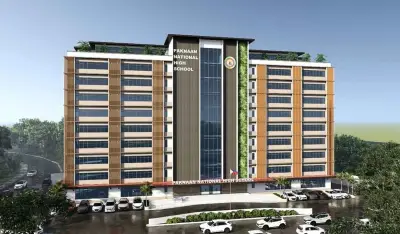
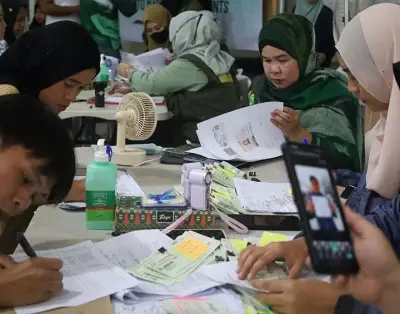
Davao City has officially greenlit the budget for its Local School Board (LSB) for the year 2026. The approval came after a crucial year-end meeting held jointly by the Department of Education in the Davao Region (DepEd-Davao) and the city government, setting the financial roadmap for public schools in the coming year.
Strategic Funding for Education Priorities
The meeting, which gathered education officials and local stakeholders, focused on planning and allocating resources to bolster basic education in the city. The approved 2026 LSB budget underscores the city government's sustained support for public schools under the leadership of Acting Mayor Sebastian Duterte. This local funding is designed to supplement national education allocations, targeting areas where municipal support can make a direct impact.
Schools Division Superintendent Reynante Solitario emphasized that the budget is strategically crafted to tackle the sector's most urgent needs. In a Facebook post dated December 15, 2025, Solitario stated the funds would address priority requirements for learners, teachers, and schools. This includes procuring learning resources, improving school facilities, supporting educational programs, and other essential interventions aimed at enhancing access, quality, and equity in basic education.

Education authorities clarified that the LSB budget acts as a complement to national government funds. It will finance classroom resources, minor infrastructure projects, and locally initiated programs to boost learning outcomes. These encompass vital interventions like school maintenance, instructional materials, and other support services identified by school administrators as critical.
Renewed Calls for Teacher Welfare and Allowance
The budget approval arrives amidst heightened calls for better teacher compensation and welfare. This follows the recent national decision to increase salaries for military and uniformed personnel starting in 2026. The Alliance of Concerned Teachers-Davao Region (ACT-Davao) has criticized this disparity, also taking the city government to task for its unresolved, long-standing proposal for a local monthly allowance for educators.
ACT-Davao has been advocating since 2013 for a P2,000 monthly allowance for public school teachers in Davao City. The group argues that teachers consistently dip into their own pockets for basic classroom supplies like chalk and paper, a burden compounded by rising living costs. Many educators face financial strain, with significant parts of their salaries going to loan repayments and mandatory deductions.
Beyond the local allowance, ACT-Davao has also revived its demand for a substantial, across-the-board salary increase for teachers and civilian government workers. The group stresses that if education is a genuine national priority, it must be reflected in budgetary allocations and compensation policies. They have pledged to continue their campaign and dialogue with local officials until their demands are met.
Historical Context and Legal Hurdles
During her tenure as mayor, Vice President Sara Duterte previously turned down ACT-Davao's proposal for a city-funded subsidy for DepEd personnel. She cited legal restrictions on providing extra benefits to national government employees and limitations on using the Special Education Fund, alongside potential financial liabilities for the city. However, she expressed openness to alternative solutions and encouraged the submission of a more feasible proposal.
ACT-Davao counters that other Local Government Units have successfully granted similar allowances using their General Funds. The group continues to push for reconsideration, especially during occasions like National Teachers' Month.
With over 40,000 teaching personnel in the Davao Region according to DepEd data, the debate over education funding, teacher welfare, and the role of local governments in supporting public schools impacts a vast workforce. The approval of the 2026 LSB budget marks a step in local education planning, even as broader calls for equitable teacher compensation remain a pressing issue.