Historic PHP1.38 Trillion Budget Proposed for Philippine Education
In a significant move for the country's development, a massive budget allocation of PHP 1.38 trillion has been proposed for the Philippine education sector for the fiscal year 2026. The announcement was welcomed by House Committee on Higher and Technical Education Chairperson, Tingog Party-List Rep. Jude Acidre, who stated that this reflects the government's firm commitment to placing education at the heart of the national agenda.
Addressing Urgent Educational Reforms
Rep. Acidre, who also co-chairs the 2nd Congressional Commission on Education (EDCOM II), highlighted the critical work being done to address the most pressing issues in the sector. He credited EDCOM II's Executive Director, Karol Mark Yee, and the team of commissioners for consistently pushing for urgent actions.
The key priorities that this budget aims to support include:

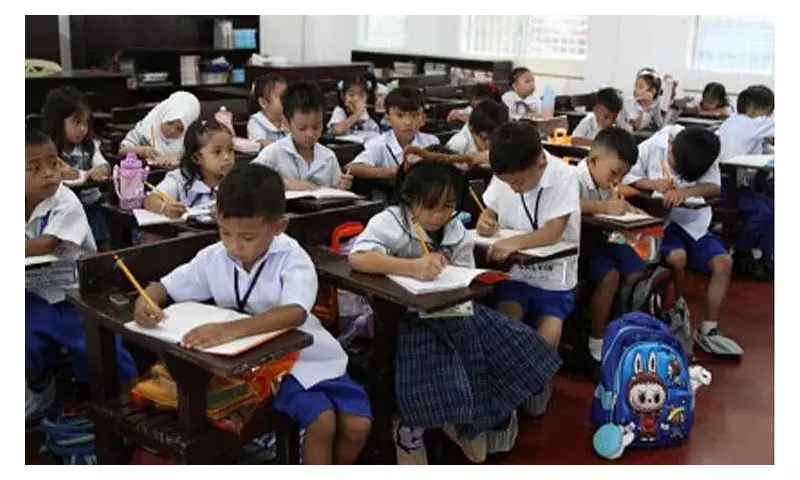
- Learning recovery programs to help students catch up.
- Improving the overall governance of the education sector.
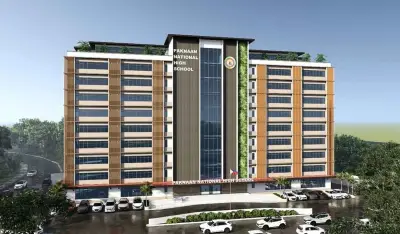
- Upgrading and modernizing school facilities across the country.
- Strengthening support systems for teachers and school leaders.
This proposed budget is equivalent to roughly 4.5 percent of the country's Gross Domestic Product (GDP), a clear signal that the government is backing its priorities with substantial financial resources.
Sustaining Crucial Programs and Future-Proofing Education
A significant portion of this allocation will be managed by the Department of Education (DepEd), under the leadership of Secretary Sonny Angara. The funds are earmarked to sustain and expand essential programs that are aligned with the long-term vision of Congress and EDCOM II.
These programs include the Academic Recovery and Accessible Learning (ARAL) program, extensive classroom construction and rehabilitation, school-based feeding initiatives, hiring more teachers, and the continuing modernization of basic education.
For higher education and technical-vocational training, the budget will fuel a comprehensive legislative agenda. Rep. Acidre outlined several focus areas that will shape a more responsive system:
- Modernizing the governance of the Commission on Higher Education (CHED).
- Expanding student access and improving retention rates.
- Advancing digital transformation across campuses.
- Institutionalizing micro-credentials and lifelong learning pathways.
He emphasized that these reforms are the backbone of building a future-ready higher education system for all Filipinos.
A Call for Careful Stewardship and National Resolve
Rep. Acidre acknowledged that a budget of this scale demands responsible management. He called for efficient use of resources and strong coordination among agencies to ensure that every peso invested leads to tangible improvements in learning outcomes for students.
He concluded by framing the budget as more than just a financial figure, but a powerful statement of national resolve. This historic investment, he affirmed, is a testament to the shared belief that education is the strongest foundation for inclusive growth and the most important investment the nation can make in its people.