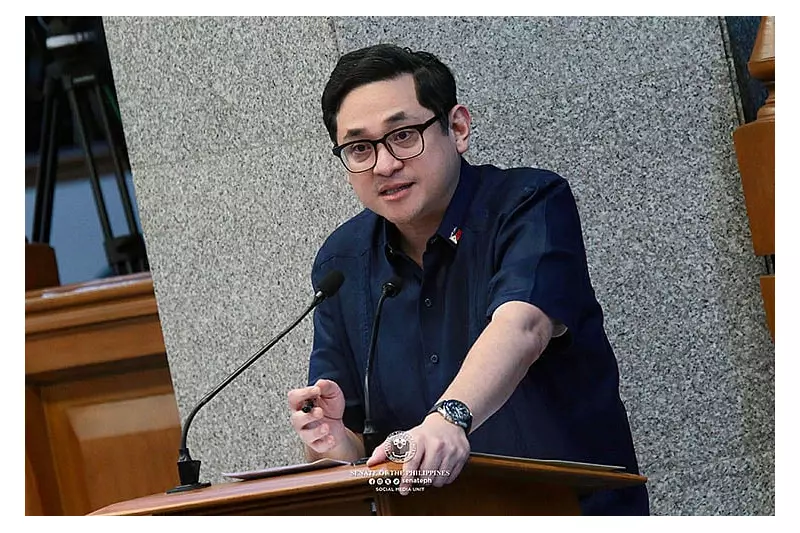
In a landmark decision for the Philippines, the Senate has approved an unprecedented P1.038 trillion budget for the education sector, marking the largest financial allocation for schools and students in the nation's history. Senator Bam Aquino, a key proponent, celebrated this move as a strategic shift of public funds away from inefficient and corruption-ridden infrastructure projects, like certain flood control initiatives, and towards a vital investment in the country's human capital.
Breaking Down the Record-Breaking Education Budget
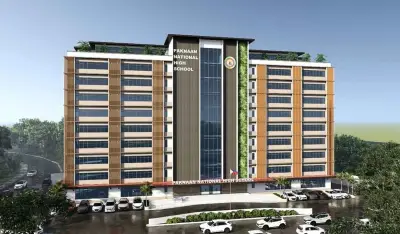
Senator Aquino detailed the specific allocations that make this budget so transformative. The total package of P1.038 trillion will fuel several critical programs. A massive P65.9 billion is earmarked for the construction of approximately 30,000 classrooms, a significant leap from the original proposal of just P13.2 billion. This funding is designed to aggressively tackle the country's estimated backlog of 165,000 classrooms through the Classroom-Building Acceleration Program, which will enable the Department of Education to collaborate more effectively with local government units and civil society.
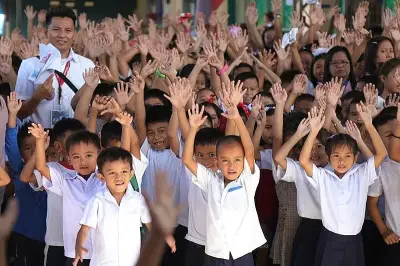
Furthermore, to combat child malnutrition, the School-Based Feeding Program saw its budget more than double, increasing from P11.7 billion to a robust P28.6 billion. This expansion guarantees a full 200-day feeding schedule for all Kindergarten and Grade 1 students. In higher education, the landmark Free College Law remains fully funded, ensuring free tuition for 5.7 million students in State and Local Universities and Colleges.

Direct Support for Students in Need
Beyond infrastructure and tuition, the budget includes targeted financial assistance for vulnerable learners. Senator Aquino highlighted that there will be added allowances for deserving youth, specific support for nursing students who require help with their Return-to-Learn (RLE) requirements, and intervention funds for students who are at risk of dropping out of school. This comprehensive approach ensures that financial barriers do not hinder a Filipino student's pursuit of education.
The Path Forward and a Call for Vigilance
Despite this significant victory in the Senate, Aquino urged the public to remain watchful. The budget must still pass through the Bicameral Conference Committee and receive final approval from the President before it becomes law. "We still need to guard this. It's not over yet," Aquino cautioned, emphasizing the need to ensure the final version remains a true budget for the Filipino youth.
He framed this historic allocation as more than just a financial plan; it is a triumph for public accountability and a powerful statement of commitment to the nation's future. "Let us stand together and guard what the youth need, education, not corruption," Aquino stated, encapsulating the core message behind this monumental budgetary realignment.