Bebot vs. Kikay: How TikTok Makeup Trends Revive Filipina Beauty Eras
On TikTok, makeup transition videos have evolved into powerful cultural moments that captivate, transform, and deeply influence how Filipinos interact with the platform. Over the years, these transitions have shifted from simple clips to cinematic, fully produced visual stories, where creators use makeup as a medium for storytelling and cultural expression. From nationalistic spectacles like "Piliin Mo ang Pilipinas" to themed fantasies such as "Asoka Nights" and "Arabian Nights," Filipino creators have demonstrated that makeup transitions can serve as both artistic statements and heartfelt tributes.
The Rise of the Bebot Girl Challenge
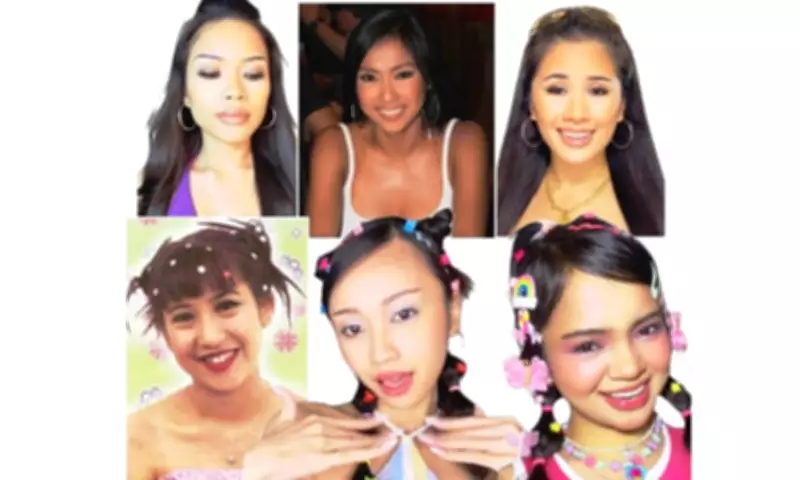
A fresh wave is sweeping across TikTok's For You Page, moving away from heavy production to spotlight authentic Filipina beauty through the Bebot and Kikay challenges. The term "Bebot," popularized by the Black Eyed Peas and Filipino-American artist apl.de.ap, is Filipino slang describing someone chic, sexy, and effortlessly confident. On TikTok, the Bebot challenge resurrects the bold, glamorous beauty standards of the early 2000s, emphasizing a nostalgic return to classic Filipina aesthetics.
This trend gained momentum through creator Monique Libres, who champions "historically accurate" Bebot looks over modern reinterpretations. The formula is intentionally nostalgic, featuring ultra-skinny brows achieved through plucking and shaving, smokey neutral eyes inspired by era-specific music video backup dancers, matte skin, clumpy mascara, and generous bronzer application on the forehead and nose. Light blush contrasts with heavily powdered under-eyes, creating a distinctive white cast, while the look is completed with brown lip liner and high-shine gloss—essential elements of the style.

However, Bebot transcends mere makeup; it is deeply rooted in memory and media. Moodboards often reference iconic figures like Assunta de Rossi's sultry magazine covers, Joyce Jimenez—once hailed as the "Pantasya ng Bayan" for her sexy roles—and Rochelle Pangilinan of the SexBomb Girls, among others who defined an era of confident, powerful femininity. What stands out most is how these women owned their presence, celebrating morena beauty with loud confidence and celebrated sensuality. While the trend is inclusive of all skin tones, Bebot specifically honors how Filipina women were styled, framed, and admired in the early 2000s.
Sometimes, the most authentic Bebot inspiration comes not from celebrities but from personal connections—your mom, your auntie, or old family photo albums showcasing low-rise jeans, thin brows, and glossy lips.
The Kikay Counterpart: Playful and Colorful
On the opposite end of TikTok's beauty spectrum lies the Kikay trend, serving as a cute, playful counterpoint to Bebot's sexy appeal. Kikay is characterized by its vibrant, extra, and rule-breaking aesthetic, featuring stacked hairpins, anik-anik accessories on hair, wrists, and ears, pink blush, pink eyeshadow, glossy pink lips, and a "more is more" philosophy. This trend draws from late '90s and early 2000s pop femininity, where being kikay meant embracing experimentation and self-expression.
At the core of Kikay culture is Jolina Magdangal, the undisputed blueprint for this style. In the late '90s and early 2000s, her fearless mix-and-match approach—with butterfly clips, mismatched barrettes, playful makeup, and statement accessories—dominated films, television, and music videos, empowering a generation of young girls to celebrate color, creativity, and individuality. Long before TikTok trends and "anik-anik" aesthetics, Jolina's mom even operated a merch store dedicated to her iconic looks.
The Kikay resurgence on TikTok also taps into pop culture nostalgia, with the soundtrack "Kikay" by Viva Hot Babes finding new life in transition videos. Creator Ashi, known as @4shiluvsu, was among the first to reintroduce this era-defining song to audiences. As the trend evolves, more inspirations emerge, such as Iwa Moto, who had her own GMA segment titled "Just for Kikay," and Sandara Park, whose colorful crochet hats, big sunglasses, and playful styling captured carefree pop-girl energy before "Y2K" became a fashion label.

Bebot or Kikay: A Tribute to Filipina Icons
The Bebot and Kikay trends are visual love letters to the Filipina icons who shaped how beauty was worn, owned, and remembered. On TikTok, these makeup transitions remind us of the enduring appeal of past eras, aesthetics, and identities that once defined Filipino pop culture. They showcase a collective desire to revisit and celebrate the roots of Filipina beauty, blending nostalgia with modern digital expression in a way that resonates across generations.