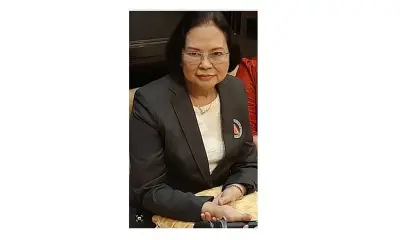
Davao City Councilor Luna Acosta has proposed the 'Davao City Health Care Proxy Ordinance,' also known as the 'Right to Care Ordinance,' to allow individuals in non-traditional relationships or households to access the medical records of their partners in critical conditions. Under current Philippine law, only legally married couples or immediate next of kin are authorized to make critical decisions for incapacitated patients, leaving same-sex couples, unmarried partners, and non-traditional households without legal authority to consent to treatments or access medical records. In worst-case scenarios, they may even be denied visitation rights.
Ordinance Aims for Inclusive Healthcare
During her privilege speech on June 23, 2026, at the Sangguniang Panlungsod, Acosta stated, 'The objective of the Right to Care or the Health Care Proxy Ordinance is to ensure equality, equity, and inclusive healthcare for all Davaoenos, regardless of sexual orientation, gender identity, civil status, or family structure.' The ordinance would allow individuals to designate a partner or trusted person as their healthcare proxy during medical emergencies, enabling them to access records and authorize or refuse treatments when the patient is unable to do so.
Acosta emphasized that all healthcare providers in the city should respect and recognize medical consent, decisions, and caregiving instructions authorized by the individual and carried out by the designated healthcare proxy through a valid Health Care Proxy Card. She described the proposed ordinance as a step forward toward a more inclusive Davao City, noting that as the city celebrates Duaw Davao, it should also remember Pride Month, which is about accepting diversity and promoting equality as a community.

Origin of the Proposal
The ordinance stemmed from a concern raised by an LGBTQIA+ couple who had been together for 20 years. When one became ill, the partner was barred from visiting because hospitals only recognized next of kin. Acosta noted that similar Right to Care Ordinances have already been implemented in Iloilo, Cavite, Cebu City, and Quezon City.
Councilor Nonong Cabling proposed that the consent of the family should also be considered in medical situations, arguing that Filipinos are family-oriented and believe that 'blood is thicker than water.' He suggested that the ordinance could stipulate that a partner may make decisions with the family's consent. 'Kahit mga third sex sila kahit sa last hour man lang ma-accept ng parents na bakla ang anak nila at tanggapin nila at ma-reconcile sila and that’s the time they give their consent (Even if they are LGBTQ+, what matters is that, even in their final hour, their parents are able to accept their child for who they are, reconcile with them, and give their blessing),' he said.
Existing LGBTQIA+ Protections in Davao City
Acosta moved that her privilege speech be considered as first reading and also moved for the first reading of the proposed amendment to the Anti-Discrimination Ordinance of Davao City. Davao City has taken measures to promote a more inclusive community through City Ordinance No. 0417-12, also known as the Anti-Discrimination Ordinance, enacted in 2012. Under this ordinance, discrimination based on sex, gender identity, and sexual orientation is unlawful in Davao City.
The city has consistently pursued gender-responsive governance through the establishment of the Integrated Gender and Development Division to institutionalize gender mainstreaming in the local government and strengthen programs that promote equality and inclusion. In support of the LGBTQIA+ community, the local government has implemented livelihood and financial assistance programs such as the 'Rainbow Magnegosyo Ta Day' initiative. Acosta emphasized that members of the community should not only be protected but also be given the tools to build better livelihoods and contribute to the city’s economy.

Pride Month and Community Engagement
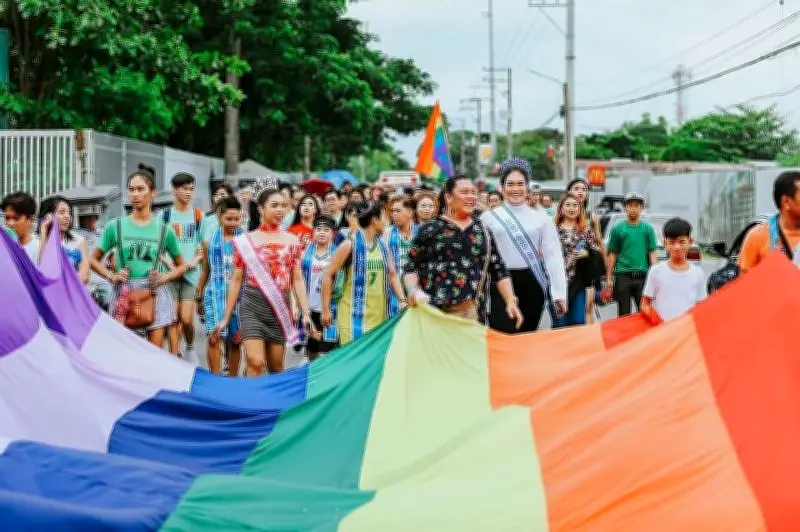
The celebration of Pride is integrated into Duaw Davao through activities such as the Pride Parade and Reyna ng Davao. The city is working with the Davao City LGBTQIA+ Coalition to conduct capacity-building seminars that promote advocacy and ensure that the community has access to social programs. However, Acosta acknowledged that these services should not be limited to such programs and ordinances, stating that the local government’s support is not merely political but is rooted in human rights and basic decency.
Acosta noted that the history of Pride in the Philippines demonstrates the resilience of the LGBTQIA+ community. Pride events began in the 1990s as quiet celebrations of identity and solidarity and eventually evolved into visible and vibrant demonstrations of pride and self-affirmation across the country. She said that every June, the country celebrates Pride Month, honoring the courage, dignity, and contributions of the LGBTQIA+ community, and that this is the time for the city to recommit itself to the ideals of equality, respect, and inclusive governance that define a progressive city.