Cebu City Grapples with Mounting Garbage Crisis After Binaliw Landslide
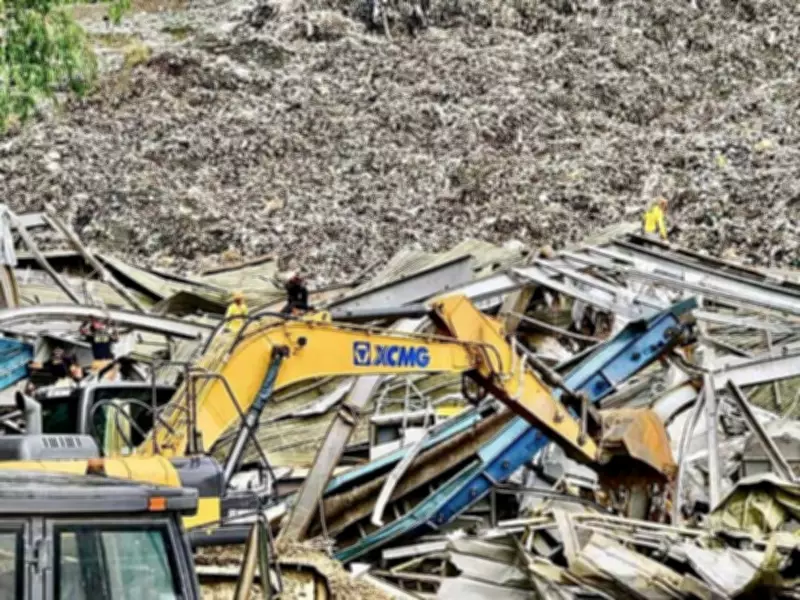
One month after the catastrophic trash slide at the Binaliw landfill forced its abrupt closure on January 8, 2026, Cebu City finds itself ensnared in a precarious and ongoing waste management emergency. The city is desperately juggling the daily disposal of hundreds of tons of garbage while simultaneously attempting to address deep-rooted systemic failures in waste segregation, disposal planning, and regulatory oversight. The tragic incident, which claimed 36 lives and left numerous others injured, has starkly highlighted the urgent and critical need for robust waste management systems and stringent enforcement of environmental regulations.
Immediate Fallout and Temporary Disposal Measures
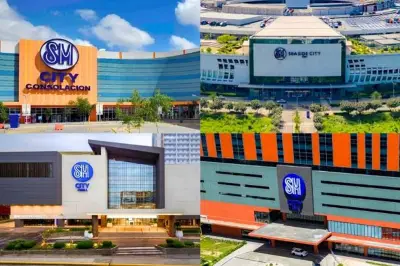
The shutdown of Binaliw, Cebu City's primary landfill, instantly crippled the city's waste disposal infrastructure. In response, the local government was compelled to hastily establish temporary arrangements with private facilities located outside the city limits. A key agreement was forged with the Asian Energy landfill in Barangay Polog, Consolacion, following a cease and desist order issued by the Department of Environment and Natural Resources (DENR). However, this stopgap solution has been fraught with operational challenges. Garbage hauling operations have significantly slowed, plagued by limited dumping hours and severe traffic congestion along key hauling routes, leading to the accumulation of worrisome backlogs.
Compounding the crisis, Consolacion Mayor Teresa "Nene" Alegado imposed strict limits on the volume of garbage her municipality would accept from neighboring urban centers, citing pressing capacity constraints and environmental protection priorities. Under this new arrangement, Consolacion will accept a maximum of 300 tons of garbage per day from Cebu City, Mandaue City, and Lapu-Lapu City combined. Of this total, Cebu City has been allocated a mere 100 to 150 tons daily—a figure drastically lower than its historical average waste output, which typically runs into the hundreds of tons each day. This severe restriction has raised immediate and alarming questions about the fate of the city's excess waste.

Mayor Nestor Archival has stated that the City respects Consolacion's decision and is actively exploring alternative methods to manage the surplus garbage. In the interim, Cebu City has ramped up waste segregation and shredding initiatives at the barangay level in a bid to reduce the overall volume of refuse destined for landfills.
Scrutiny Over Emergency Contract and Financial Risks
To formalize the temporary dumping arrangement, the Cebu City Government entered into an emergency memorandum of agreement (MOA) with Asian Energy Systems Corp. in the aftermath of the Binaliw disaster. This MOA authorizes the City to dispose of up to 50,691.66 tons of garbage between February 1 and March 31, 2026, with the contract price capped at approximately 60 million Philippine pesos. The agreement includes provisions allowing the City to halt or reduce deliveries at any time, with billing strictly based on the actual tonnage delivered.
However, during a special session of the Cebu City Council, several members voiced serious concerns that the approved tonnage ceiling does not align with the city's documented garbage output. City Councilor Joel Garganera pointed out that dividing the approved tonnage across the contract period results in an average of over 800 tons per day—nearly double the city's recorded daily waste volume. Records from the Department of Public Services (DPS) indicated that Cebu City generated a total of 12,968.44 tons of garbage in January 2026, averaging about 480 tons per day.
DPS head Paul Gelasque clarified that the higher tonnage ceiling was based not on January's atypical figures, but on the city's usual garbage generation rate of 600 to 650 tons daily, noting that January's lower numbers were an anomaly caused by hauling delays. Gelasque further explained that disposal at the Asian Energy landfill is restricted to daytime hours from 6 a.m. to 5 p.m., unlike previous round-the-clock arrangements, with traffic and facility limitations slowing truck turnaround times and reducing daily hauling capacity.

While Garganera acknowledged this explanation, he emphasized the necessity for strict safeguards, particularly rigorous weighbridge monitoring, to prevent potential overbilling. Other council members warned that approving volumes significantly above historical averages exposes the City to substantial financial and accountability risks, especially under the expedited conditions of emergency procurement.
Regulatory Uncertainty and Lack of DENR Direction
As the City scrambles to manage its daily waste output, frustration is mounting over the absence of clear guidance from the DENR, the very agency that ordered the closure of the Binaliw landfill. Mayor Archival reported that while a DENR investigation team has met with city officials, including personnel from DPS, the City Environment and Natural Resources Office, and the City Planning Office, the agency has yet to provide a concrete timeline or definitive findings. According to Archival, the only directive from DENR Secretary Raphael Lotilla was to complete the investigation "as fast as possible," without specifying a firm deadline.
City Councilor Dave Tumulak, chair of the Cebu City Disaster Risk Reduction and Management Council, criticized this lack of formal investigation results and clear recommendations. He described the DENR's presentation during an executive session as "too light" and insufficient to give the City a clear direction for long-term waste disposal. Tumulak noted that based on the DENR's presentation, there remains a possibility that the Binaliw landfill could be reopened, further prolonging the city's uncertainty. Archival clarified that any decision to reopen Binaliw rests solely with the DENR, not the City Government.
Barangay-Level Struggles and Political Sensitivities
In the absence of long-term solutions, Cebu City has intensified its focus on waste segregation, composting, and shredding at the barangay level to reduce dependence on landfills. The Solid Waste Management Board (SWMB) has discussed strengthening segregation practices and expanding composting and shredding operations across barangays. Garganera indicated that shredders are planned for deployment in most, if not all, barangays, with biodegradable waste to be composted locally and only non-biodegradable and residual waste hauled to disposal facilities.
However, the City still lacks a designated transfer station—an interim site for temporary garbage storage before transport to disposal facilities outside Cebu City. Garganera strongly opposed using the Binaliw dumpsite as a transfer station due to safety and accessibility concerns. Instead, the board plans to collaborate with private service providers to identify a suitable transfer station within the city, modeled after Marikina City's system.
Barangay Guadalupe, the largest barangay in Cebu City, exemplifies the local struggles following the Binaliw closure. Barangay Captain Apol Ross Enriquez admitted that the community has not yet fully implemented waste segregation, pledging stricter enforcement in the coming week. She noted that their eight garbage trucks, which previously made two daily collection trips, now make only one due to the overwhelming volume of garbage. Occasionally, trucks are forced to return from Consolacion because other barangays' waste has lined up, preventing immediate dumping. Without shredding machines, Guadalupe has little choice but to send most of its garbage to the landfill. The barangay plans to purchase three shredding machines using local funds and add two more garbage trucks to improve collection efficiency.
With barangay elections approaching in November, Tumulak warned that strict enforcement of waste segregation has become politically sensitive. He noted that barangay captains may hesitate to impose tougher measures for fear of voter backlash, emphasizing that strong political will is essential. Tumulak stressed that if the mayor orders strict enforcement, there must be a clear implementing arm on the ground to execute these directives effectively.
Unanswered Questions and an Uncertain Future
The most pressing and unresolved question remains: what happens after March, when Cebu City's emergency dumping arrangement with Asian Energy is set to expire? Tumulak recalled that when the Prime Waste landfill was previously closed, garbage piled up on city streets within just four days—a scenario he warned could repeat if no long-term plan is established. For now, Cebu City continues to rely on a patchwork of temporary measures, emergency contracts, and barangay-level interventions, all while anxiously awaiting the DENR to provide clear findings, actionable recommendations, and a definitive direction in the wake of the Binaliw trash slide. A full month after the devastating disaster, the city's waste crisis remains profoundly unresolved, with short-term fixes barely holding the line as long-term answers remain frustratingly elusive.