Cebu's Modern Jeepney Crisis: Fuel Costs and Low Ridership Threaten Public Transport
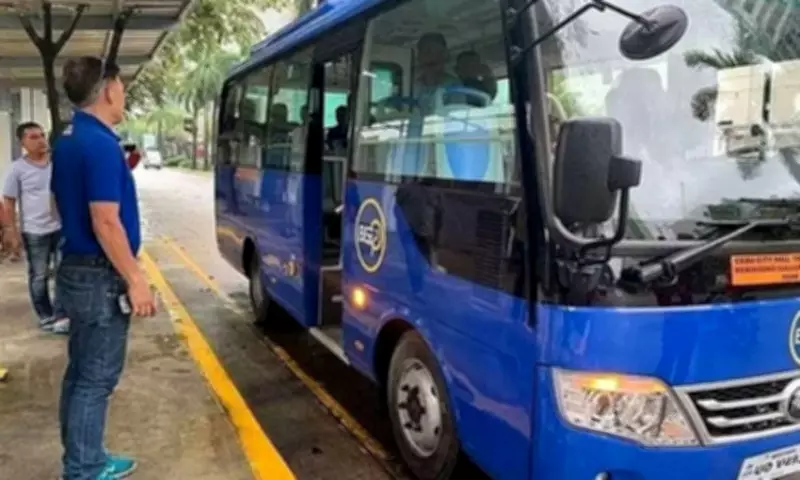
Cebu's public transportation network is teetering on the brink of a major breakdown as escalating fuel prices and plummeting passenger numbers have forced approximately 40% of the city's modernized jeepneys to cease operations. What was initially envisioned as a safety and efficiency enhancement program has devolved into a desperate fight for survival, with operational expenses now surpassing income streams. Multiple transport cooperatives are actively contemplating the suspension of their services.
Drivers Struggle to Survive Amid Financial Ruin
Ellen Maghanoy, president of the Cebu Federation of Transport Cooperatives, revealed that drivers previously netted between P1,000 and P1,500 daily after covering all costs. In a stark contrast, many now take home less than P200—or sometimes nothing at all—as the economic pressures intensify.
The operational fleet of modern jeepneys has dramatically shrunk from roughly 1,000 units to only about 600, signaling a severe contraction in available public transport options. Maghanoy emphasized the gravity of the situation on Tuesday, April 7, 2026, stating, "The time will come when there will be transport cooperatives that will no longer continue their operations."

Why the Modern Fleet is Stalling: A Triple Threat
The crisis is propelled by a confluence of critical factors that have created a perfect storm for transport operators:
- Fuel costs: Geopolitical tensions in the Middle East have disrupted global oil supplies, driving diesel prices upward and severely straining the traditional boundary payment system.
- Loan obligations: Cooperatives remain burdened by ongoing loan repayments for their modernized units, adding financial pressure even as revenues decline.
- Weak demand: A significant reduction in commuter numbers, partly attributed to the persistence of remote work arrangements, has led to decreased ridership and lower fare collections.
In extreme cases, such as Fitam Transport, only 40 out of 120 units remain operational. This dire situation has compelled numerous drivers to abandon the sector entirely and return to their home provinces in search of alternative livelihoods.
Efforts to Stay on the Road: Temporary Measures Implemented
In response to the mounting crisis, several cooperatives have introduced stopgap measures to mitigate the financial impact on their operations. The El Pardo Transport Cooperative, for instance, has provided a P30-per-liter fuel subsidy to its drivers while simultaneously reducing daily boundary fees from P3,000 to a range between P1,000 and P1,500.
Additionally, route-sharing strategies have been deployed, with available units being reassigned to busier corridors such as the Bulacao to SM route, in an attempt to maximize efficiency and passenger uptake.
Call for Government Action: Urgent Interventions Needed
During a speech delivered on April 7, Councilor Joel Garganera underscored the profound impact of rising fuel costs on transport workers and called for immediate governmental intervention. Proposed solutions include:
- Releasing a P5,000 fuel subsidy specifically for drivers and a P10,000 subsidy for operators.
- Imposing a fuel price cap set at P55 per liter to stabilize costs.
- Promoting the adoption of electric vehicles as a long-term sustainable alternative.
Transport leaders have issued stark warnings that without prompt and substantial government support, Cebu could face significantly reduced mobility and increasingly unreliable public transport services as cooperatives edge closer to suspending operations entirely.