The Philippine Atmospheric, Geophysical and Astronomical Services Administration (Pagasa) has issued a stark warning for Cebu, where residents have already endured a scorching heat index of 37°C. According to the agency, temperatures are set to climb further by the end of April, with May projected to be the hottest month of the entire year 2026.
Dry Days and Rising Temperatures
During a news forum on Tuesday, April 7, 2026, Jhomer Eclarino, a Pagasa Visayas weather specialist, revealed that more dry days—periods without rain—are expected this April. "This April, we are experiencing what we call more dry days or days without rain, so there will indeed be more of them this April," Eclarino stated.
He emphasized that the current heat is not yet at its peak. "The dry conditions we are experiencing now are not the worst. We will experience even hotter weather by the end of April and in May. Based on our historical record, May is the hottest month in the Philippines," he added.

Current Conditions and Historical Context
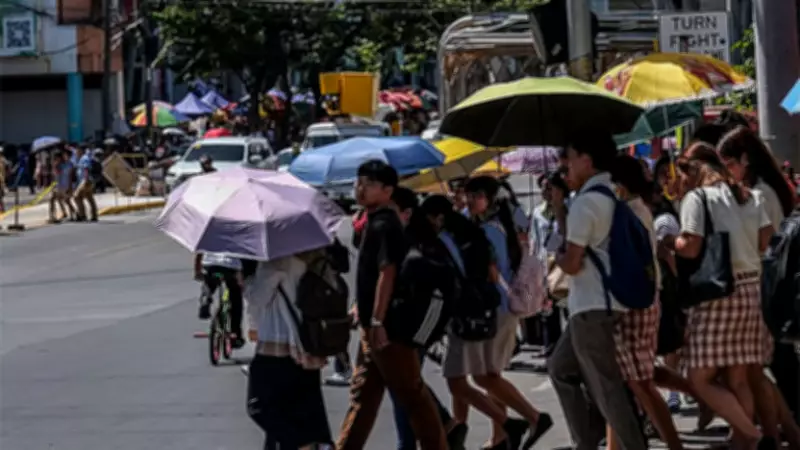
Currently, the highest recorded heat index in Cebu reached 37°C on Sunday, April 5. The heat index measures the actual perceived temperature on the human body, combining air temperature and humidity levels. Pagasa forecasts that hot and humid weather will persist in the coming days, with less than a 50 percent chance of rain until the end of the week.
Historical data from 2025 shows that Central Visayas experienced even higher heat indices, peaking at 42°C in April and 43°C in May, indicating a potential for similar or worse conditions this year.
Climate Patterns and Future Outlook
Eclarino also noted that the La Niña phenomenon officially ended on March 9, placing the region in a neutral phase. However, there is a significant likelihood of El Niño developing in the coming months.
The probability of El Niño is estimated at 62 percent from June to July, potentially rising to 83 percent by the end of 2026. This shift could exacerbate heat conditions, leading to more extreme weather events and impacting agriculture, health, and daily life in the area.
Residents are advised to take precautions against the heat, such as staying hydrated, avoiding prolonged sun exposure, and monitoring weather updates from Pagasa. The agency continues to monitor the situation closely, providing regular forecasts to help the public prepare for the challenging months ahead.