While Cebu City's urban streets remained largely dry and secure during the recent weather disturbance, agricultural communities in the southern part of the province are now confronting a challenging recovery phase. Heavy rainfall from the remnants of Tropical Storm Basyang, known internationally as Penha, triggered sudden flash floods that ravaged farmlands and inundated homes in mountainous barangays, creating a stark contrast in storm impact across the region.
A Tale of Two Realities in Storm Aftermath
Tropical Storm Basyang weakened into a low-pressure area early on Saturday, February 7, 2026. Although the Visayas region escaped dangerous wind conditions, the storm system interacted with a meteorological phenomenon called a shear line, resulting in intense precipitation across the area. This weather event revealed significant disparities in community safety and infrastructure resilience. In Cebu City, authorities reported no casualties and minimal disruption to daily life. Meanwhile, in the mountain barangays of Dalaguete municipality, sudden torrents of water obliterated the primary livelihood source for numerous families.
Survival Challenges in the Vegetable Basket
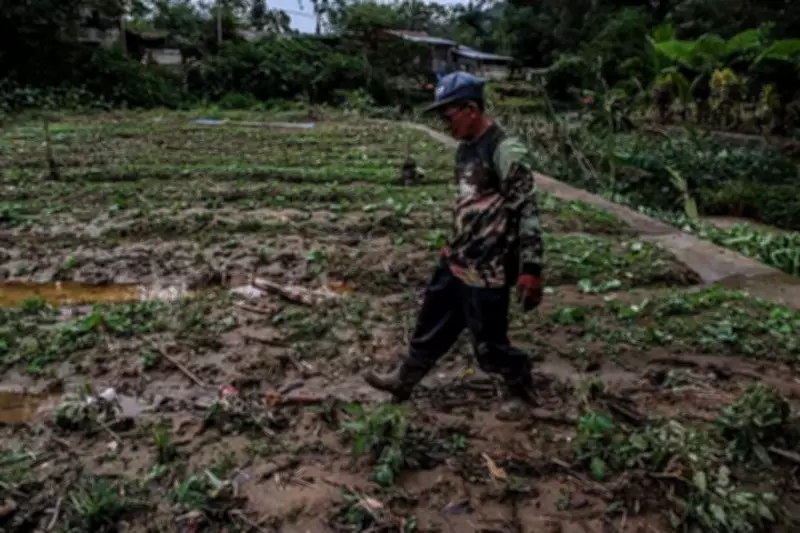
Dalaguete earns its reputation as the Vegetable Basket of Cebu by supplying the majority of the province's fresh agricultural produce. This critical supply chain faced severe jeopardy on Friday, February 6, when water levels surged rapidly in Barangay Mantalongon. Romolo Jabagat, a 67-year-old farmer with decades of agricultural experience, recounted how a typical afternoon transformed into a catastrophe within approximately ninety minutes.

"Yesterday, the rain started at two in the afternoon. It was just light at first. At three, the water started to rise up. And then at 3:30 our bridge was caught by the flood," Jabagat described with visible distress. The swiftness of the flooding caught many residents unprepared, despite their familiarity with seasonal weather patterns.
Emergency Rescues and Agricultural Devastation
As floodwaters penetrated residential structures, local police personnel intervened to conduct emergency evacuations. "When the water entered our house, our things floated. The police rescued us. Many of our things were caught by the flood," Jabagat added, emphasizing the dual loss of personal belongings and agricultural investments. The farmer reported complete destruction of his entire gabi (taro) and spring onion crops, which represented months of labor and financial investment. "None of our crops were left because the water got up there," he lamented, highlighting the comprehensive nature of the agricultural damage.
Urban Preparedness Versus Rural Vulnerability
The differential experience of the storm largely depended on geographical location and available resources. In Cebu City, Mayor Nestor Archival proactively deployed disaster response teams to standby positions well before the weather intensified. The city's robust infrastructure and preparedness measures resulted in such stability that municipal authorities could dispatch a fourteen-member assistance team to support neighboring Argao town. Conversely, rural agricultural zones like Mantalongon demonstrated heightened vulnerability to extreme weather events. While substantial buildings withstood the flooding, the local farming economy absorbed devastating blows that will require extensive recovery periods.
Barangay Captain Josephine Nepomuceno confirmed that numerous residents sought temporary shelter in local educational facilities for safety purposes. The evacuation underscored both the immediate humanitarian needs and the long-term economic consequences facing these agricultural communities.
Recovery Efforts and Financial Assistance Pathways
Current focus has shifted toward supporting farmers in recovering economic losses and restoring agricultural productivity. Municipal officials are conducting comprehensive field assessments to quantify crop damage and infrastructure losses accurately. Nepomuceno indicated that farmers affiliated with official agricultural associations who properly registered their crops might qualify for limited financial compensation through existing programs.

"Members of the farmers' association who registered their crops may seek claims for the damages. It may not be huge, but it will at least serve as little help for them," she explained, acknowledging the partial nature of potential assistance while emphasizing its importance for immediate recovery needs.
Ongoing Meteorological Concerns
Weather conditions remain a pressing concern as the low-pressure system continues moving toward the western Philippine archipelago. Meteorological experts caution that residual rainfall may still affect Palawan province and certain areas of Mindanao, necessitating continued vigilance among residents in flood-prone regions. The disaster highlights the increasing importance of climate-resilient agricultural practices and equitable disaster preparedness investments across both urban and rural communities.