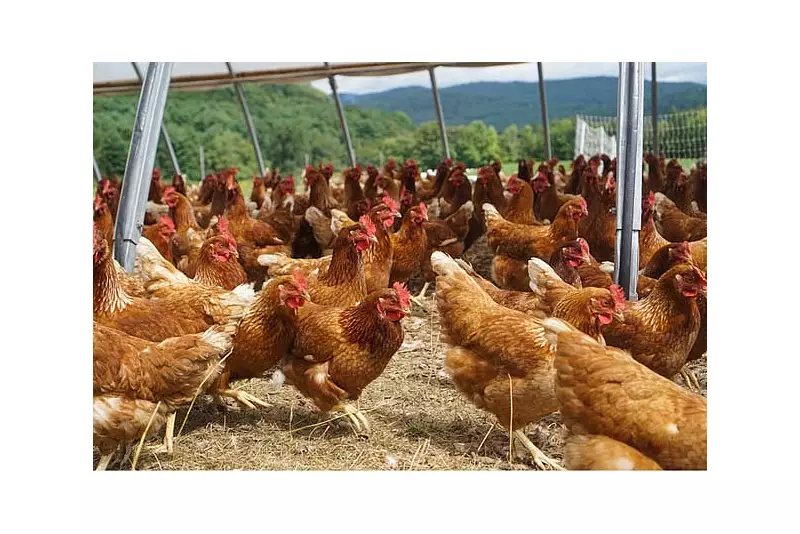
Japan has confirmed another serious case of bird flu, marking the 11th outbreak of the season and raising concerns for the poultry industry. The latest incident was reported on a farm in the northern prefecture of Hokkaido.
Outbreak Details and Immediate Response
The Ministry of Agriculture, Forestry and Fisheries announced the confirmation on Monday, December 29, 2025. Genetic testing identified the virus as a highly pathogenic strain of avian influenza. The outbreak was detected at an egg-laying poultry farm located in Yuni Town, Hokkaido.
In response to the confirmed infection, authorities have ordered the culling of all chickens on the affected farm. More than 6,000 egg-laying hens are being euthanized to prevent further spread of the disease. The standard protocol, which includes incineration and burial of the carcasses, is being followed.

Quarantine Zones and Movement Restrictions
To contain the virus, the government has swiftly established strict control zones around the infected farm. All farms within a 3-kilometer radius are now prohibited from moving any chickens or eggs. This immediate lockdown is crucial to stop the virus at its source.
A wider surveillance zone has also been set up. Farms located between 3 and 10 kilometers from the outbreak site are banned from transporting poultry products outside the designated area. These measures are standard in Japan's fight against avian influenza and are designed to protect the broader poultry supply chain.
Seasonal Pattern and Cumulative Impact
Japan's avian influenza season typically begins in autumn and lasts through the following spring. This cyclical pattern makes winter a high-risk period for poultry farmers across the country.
This latest outbreak in Hokkaido is the 11th confirmed case since the season began. The first case of the season was also confirmed in Hokkaido, back on October 22. The previous ten outbreaks have already had a devastating cumulative effect, leading to the culling of approximately 3.65 million chickens nationwide before this latest incident.
The repeated outbreaks highlight the persistent challenge Japan faces in controlling the highly contagious virus, which poses a significant threat to food security and agricultural livelihoods.