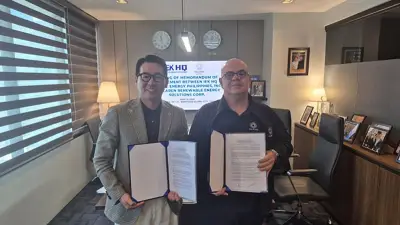
The Cebu Chamber of Commerce and Industry (CCCI) has expanded its green partnership to at least five academic institutions, generating over 347 kilograms of collected plastic waste and converting these into flood mitigation solutions as it accelerates its campus-based environmental initiative across Cebu.
Latest Collaboration with Southwestern University-Phinma
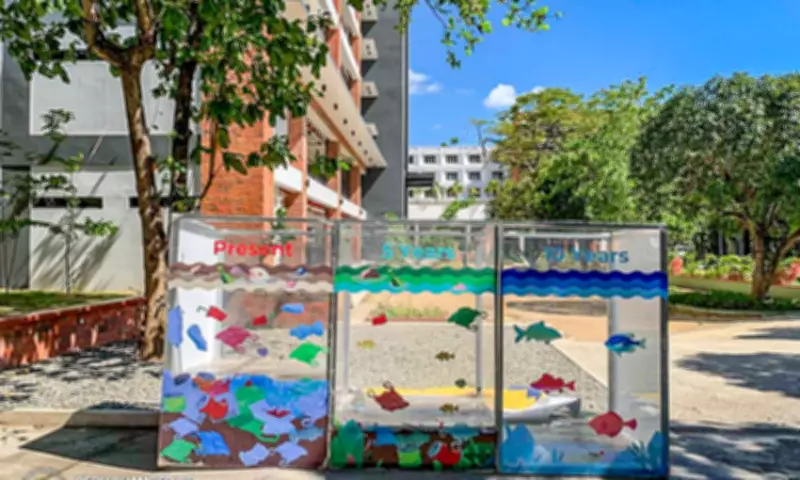
The latest collaboration with Southwestern University-Phinma marks a significant step in scaling the Chamber's Flood Hero Cebu Movement, which integrates waste management with urban flood prevention. Through the installation of PET bottle receptacle bins in schools, CCCI is building a network of collection points that not only promotes responsible plastic disposal but also directly contributes to reducing flood risks in the city.
Measurable Results Across Partner Schools
According to CCCI's Facebook post, this initiative is already delivering measurable results across partner schools, including the University of the Visayas (31 kilograms of plastic collected), College of Technological Sciences-Cebu (63 kilograms), University of San Jose-Recoletos Basak Campus (100 kilograms), and Cebu Institute of Technology-University (151.50 kilograms). These figures underscore both the scale of plastic waste generated on campuses and the impact of sustained collection efforts.

By partnering with academic institutions, CCCI is positioning schools as critical hubs for environmental action, particularly in mobilizing student participation and raising awareness on sustainability.
Circular Economy Approach
Beyond collection, the program advances a circular economy approach by transforming recovered PET bottles into functional infrastructure. In collaboration with the Cebu City Environment and Natural Resources Office, the plastics are repurposed into environmental interceptors deployed in rivers and waterways. These systems help capture floating waste before it reaches the sea, improving water flow while mitigating flooding in urban areas.
Future Expansion and Collaboration
CCCI said the growing partnerships with schools, local government units, and private sector stakeholders are key to expanding the program across Cebu, reinforcing collective efforts toward climate resilience and environmental sustainability. The chamber said it will continue to push for wider adoption of the initiative, highlighting the role of cross-sector collaboration in addressing both plastic pollution and flood management challenges in rapidly urbanizing communities.