Philippines Explores Carbon Market Strategy to Mitigate Nipah Virus Risks
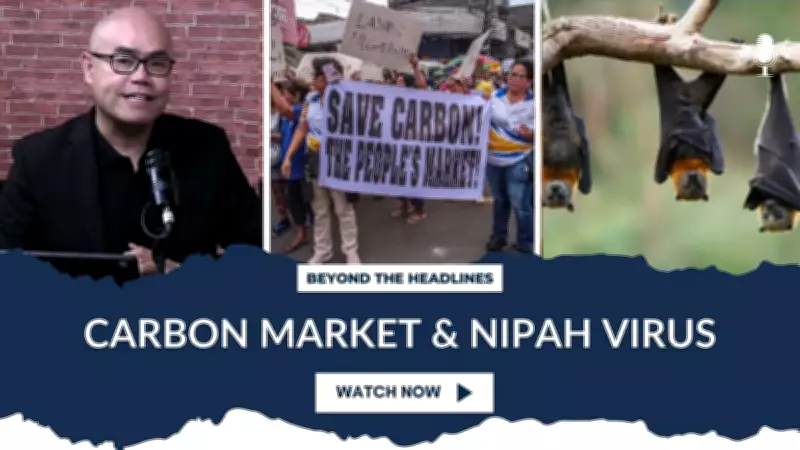
The Philippines is actively investigating the implementation of a carbon market as a strategic approach to combat the potential threat posed by the Nipah virus. This initiative focuses on addressing environmental factors that may contribute to the spread of such zoonotic diseases, aiming to enhance public health safety through sustainable economic and ecological measures.
Understanding the Nipah Virus and Its Environmental Links
The Nipah virus is a zoonotic pathogen that can be transmitted from animals, such as bats and pigs, to humans, leading to severe respiratory and neurological symptoms. In the Philippines, concerns have arisen due to environmental changes, including deforestation and habitat loss, which can increase human-wildlife interactions and elevate the risk of virus transmission. By targeting these underlying environmental issues, the carbon market proposal seeks to create a healthier ecosystem that reduces the likelihood of disease outbreaks.
How the Carbon Market Could Help
A carbon market operates by allowing entities to trade carbon credits, incentivizing reductions in greenhouse gas emissions and promoting activities like reforestation and conservation. In the context of the Nipah virus, this market could fund projects that restore natural habitats, thereby minimizing contact between humans and virus-carrying animals. For example, reforestation efforts could provide bats with alternative roosting sites away from populated areas, while sustainable agricultural practices might reduce the need for land clearing that disrupts wildlife.

- Environmental Protection: By reducing carbon emissions and preserving forests, the carbon market helps maintain biodiversity and ecosystem balance, which is crucial for preventing zoonotic diseases.
- Economic Incentives: The market creates financial opportunities for local communities through carbon credit sales, encouraging participation in conservation efforts that indirectly lower virus risks.
- Public Health Enhancement: Addressing environmental degradation can lead to fewer disease vectors, contributing to overall health improvements in vulnerable regions.
Challenges and Future Steps
Implementing a carbon market to tackle the Nipah virus threat involves several challenges. These include ensuring accurate monitoring of carbon sequestration, securing adequate funding for large-scale projects, and coordinating between government agencies, private sectors, and local communities. However, with proper planning and international support, the Philippines could develop a model that not only mitigates climate change but also strengthens disease prevention strategies.
Looking ahead, experts recommend further research into the specific environmental drivers of the Nipah virus in the Philippines, along with pilot programs to test the effectiveness of carbon market initiatives. By integrating health and environmental policies, the country can work towards a safer and more sustainable future for all its citizens.