In a decisive response to environmental and public health emergencies, Cebu provincial leaders are actively considering a major transition from conventional waste disposal methods to advanced waste-to-energy (WTE) incineration. This strategic move comes in the wake of severe landfill failures and an informative fact-finding mission to China, potentially revolutionizing how one of the Philippines' most densely populated provinces handles critical issues of environmental safety, public health, and escalating power demands.
Legislative Push for High-Tech Solutions
During mid-February 2026, the Provincial Board (PB) of Cebu initiated formal steps toward adopting WTE technology. Second District PB Member Stanley Caminero put forward a proposal to establish a provincial task force dedicated to studying the feasibility of WTE projects. Additionally, he advocated for the creation of a technical advisory council focused on promoting a circular economy, emphasizing a holistic approach to waste management.
Catalysts for Change: Tragedy and International Insights
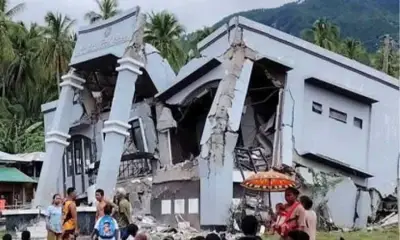
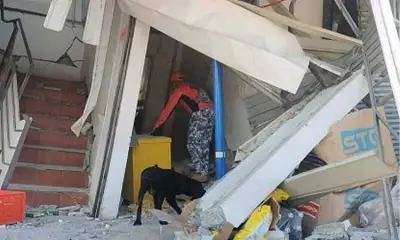
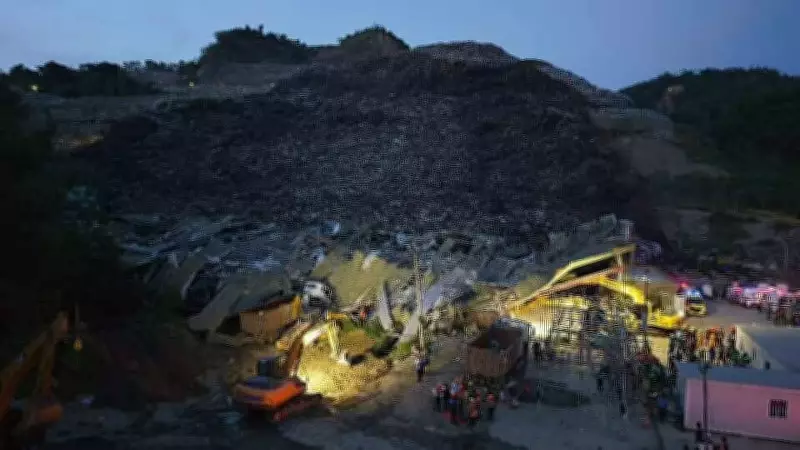
The legislative initiative follows a study tour conducted in Fujian province and Guangzhou, China, where Cebuano officials examined integrated facilities that combust municipal waste to generate steam for electricity production. This exploration was spurred by acknowledged shortcomings in current disposal systems, most notably the catastrophic collapse at the Binaliw landfill in Cebu City on January 8, 2026.

The landslide triggered by this incident resulted in the tragic loss of 36 lives, forcing the closure of the landfill and plunging the city's waste management into a state of emergency. Caminero highlighted that Cebu is grappling with three intersecting pressures: mounting waste volumes, increasing energy needs, and rising healthcare demands linked to unsanitary conditions, which he argues necessitate system thinking, not fragmented solutions.
Implications of the Waste-to-Energy Study
The shift toward WTE represents a critical acknowledgment that the traditional landfill model is unsustainable for an island province with limited land resources and a growing population. For residents and local industries, the success of this initiative carries profound implications across multiple fronts.
- Public Health and Safety: The Binaliw tragedy starkly illustrates the immediate physical and environmental hazards posed by overcapacity landfills. Proponents assert that unsanitary environments are directly correlated with higher disease prevalence, making improved waste management a public health imperative.
- Grid Stability: Cebu faces persistent rises in energy demand. WTE plants function as small-scale power facilities, feeding electricity back into the grid as a beneficial byproduct of waste disposal, thereby enhancing energy security.
- Economic Circularity: Modern WTE systems aim to convert residues, such as fly ash, into construction materials. This not only reduces the need for raw material extraction but also potentially lowers infrastructure costs, fostering a more sustainable economic model.
Advancing the Circular Economy
Caminero's proposal extends beyond WTE to include the establishment of a circular economy technical advisory council and the allocation of seed funding for pilot renewable waste projects. He described these initiatives as strategic investments and not expenses, committing to translate international lessons into actionable local policies that prioritize long-term sustainability.
The Binaliw landfill collapse, which buried workers and structures under a trash slide, remains a somber reminder of the urgent need for reform. The site is currently closed as authorities assess its safety for future operations.
By proposing a provincial-level task force, Cebu is adopting a system-thinking approach that clusters waste volumes from various municipalities. This strategy ensures a steady feedstock supply, which is essential for making WTE facilities economically viable and effective in addressing the province's intertwined challenges of waste management, energy production, and public health.