Cebu Explores Waste-to-Energy Solutions After Landfill Tragedy
In the wake of a devastating landslide at the Prime Waste Solutions Cebu Landfill in Barangay Binaliw, Cebu City, local leaders are actively considering a shift from traditional waste disposal methods to advanced Waste-to-Energy (WTE) technologies. This initiative, sparked by a recent fact-finding mission to China and ongoing landfill crises, aims to transform how Cebu manages its mounting garbage, health risks, and electricity demands.
Formalizing a New Approach
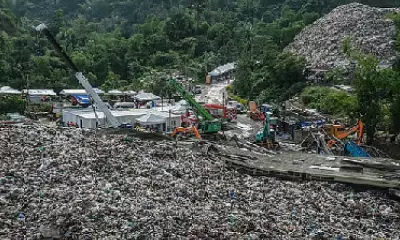
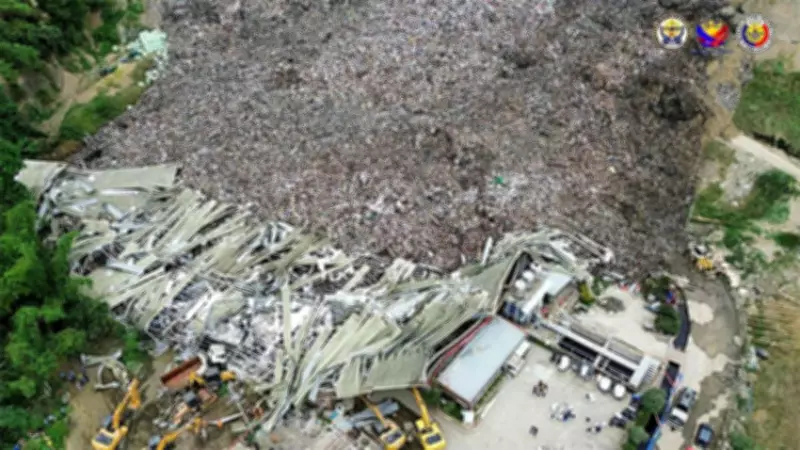
In mid-February 2026, the Cebu Provincial Board began formalizing plans to study the adoption of WTE systems. Board Member Stanley Caminero proposed establishing a dedicated task force to evaluate the feasibility of implementing these high-tech plants in the province. This move follows a series of landfill emergencies, including the tragic collapse at the Binaliw landfill on January 8, 2026, which resulted in 36 fatalities and forced the closure of the site, plunging the region into a state of emergency.
Inspiration from International Best Practices
The push for WTE technology was significantly influenced by a fact-finding mission to Fujian and Guangzhou in China, where local officials observed modern facilities that incinerate municipal waste to generate steam, which is then converted into electricity. This international exposure has highlighted the potential for Cebu to adopt similar sustainable practices, moving beyond outdated landfill systems that are increasingly unsustainable for the growing island.

A System-Thinking Strategy
Board Member Caminero emphasized that Cebu is grappling with three critical pressures simultaneously: escalating waste volumes, rising electricity needs, and heightened health risks from polluted environments. Instead of addressing these issues in isolation, Caminero advocates for a system-thinking approach. WTE plants offer a multifaceted solution by reducing the amount of trash destined for landfills while simultaneously producing power for the local grid.
Key Goals of the WTE Initiative
The proposed WTE plan targets several key objectives to benefit Cebu's residents and environment:
- Enhanced Public Health: By eliminating overfilled landfills, which pose significant dangers as evidenced by the Binaliw tragedy, WTE technology aims to reduce disease outbreaks and create safer living conditions.
- Increased Electricity Reliability: As Cebu's demand for power continues to grow, WTE plants can function as small-scale power stations, supplying electricity to the grid as a byproduct of waste incineration.
- Resource Recovery: Modern WTE systems not only burn trash but also recycle residual ash into construction materials, potentially lowering costs for infrastructure projects like roads and buildings while minimizing environmental impact.
Investing in a Sustainable Future
Caminero has also proposed the creation of a Circular Economy council to oversee WTE projects, framing these efforts as strategic investments rather than expenses. The goal is to translate international lessons into actionable local strategies, fostering collaboration across the province to collect sufficient waste from various towns to sustain WTE operations. Ultimately, this initiative seeks to prevent future tragedies like the Binaliw collapse and pave the way for a more sustainable and resilient Cebu.