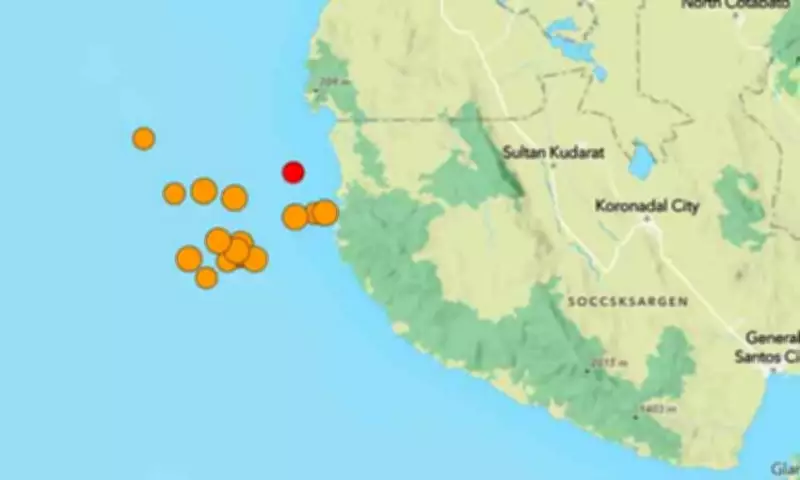
Residents across Sultan Kudarat province and surrounding regions in Mindanao have now endured at least 120 felt earthquakes since January 19, 2026, according to the latest data released by the Philippine Institute of Volcanology and Seismology (Phivolcs). These tremors form part of a significant earthquake swarm that has been affecting offshore areas to the west of Mindanao, raising concerns among local communities about ongoing seismic activity.
Geological Causes Behind the Seismic Swarm
Phivolcs has identified the primary cause of these earthquakes as movements along the Cotabato Trench, a major underwater geological feature known for generating substantial seismic events. The trench functions as a deep-sea subduction zone where tectonic plates converge, creating immense stress that periodically releases through earthquakes. This geological mechanism explains the persistent nature of the swarm, which has resulted in thousands of recorded tremors since its inception.
Monitoring Data Reveals Thousands of Offshore Earthquakes
In its most recent assessment dated Sunday, February 8, 2026, Phivolcs reported that a staggering total of 3,570 offshore earthquakes have been documented in the area since the swarm began. The magnitudes of these events have ranged widely from 1.3 to 5.9 on the Richter scale, with the majority classified as weak tremors detectable only by sensitive instruments. However, several earthquakes have reached intensities strong enough to be distinctly felt by residents in Sultan Kudarat and neighboring provinces, prompting heightened awareness and preparedness measures.

Declining Frequency Signals Weakening Swarm
Recent monitoring indicates a promising trend: the daily number of earthquakes has generally decreased since peaking in late January. At the height of the seismic activity, Phivolcs recorded up to 833 earthquakes within a single 24-hour period from January 27 to 28, 2026. By early February, this frequency dropped significantly to just tens of earthquakes per day, with only 19 events recorded between February 6 and 7. This decline suggests that the earthquake swarm is gradually weakening, although Phivolcs cautions that sporadic felt earthquakes may still occur without warning.
Unpredictable Nature of Seismic Events
The science agency emphasized that earthquakes remain fundamentally unpredictable in terms of their exact timing, specific location, and potential magnitude. Phivolcs added that this particular swarm likely resulted from the slow release of accumulated stress along the Cotabato Trench rather than a single major fault movement. This gradual release mechanism helps explain the prolonged duration of the seismic activity while reducing the immediate risk of a catastrophic event.
Local Response and Safety Measures
Despite the thousands of earthquakes recorded, provincial officials have reported no casualties or major infrastructure damage in Sultan Kudarat. Governor Datu Pax Ali Mangudadatu has reassured the public that local authorities remain on high alert and are maintaining close coordination with disaster response agencies. The governor stated his readiness to extend suspensions of classes and work in the province should seismic conditions worsen, emphasizing that public safety remains the absolute top priority for his administration.
Governor Mangudadatu has urged residents to stay informed through official advisories from Phivolcs and local government units while remaining vigilant for potential stronger tremors. Phivolcs continues its round-the-clock monitoring of the situation and advises the public to remain calm but prepared, reminding communities in seismically active areas to consistently follow established earthquake safety protocols. These measures include securing heavy furniture, identifying safe spots in buildings, and maintaining emergency supplies to ensure resilience during seismic events.