More than a week after Typhoon Tino battered the province of Cebu, several barangays in Asturias continue to face significant challenges in recovery efforts, with Barangay Kaluangan emerging as one of the most severely affected communities.
Isolated Community Struggles with Basic Needs
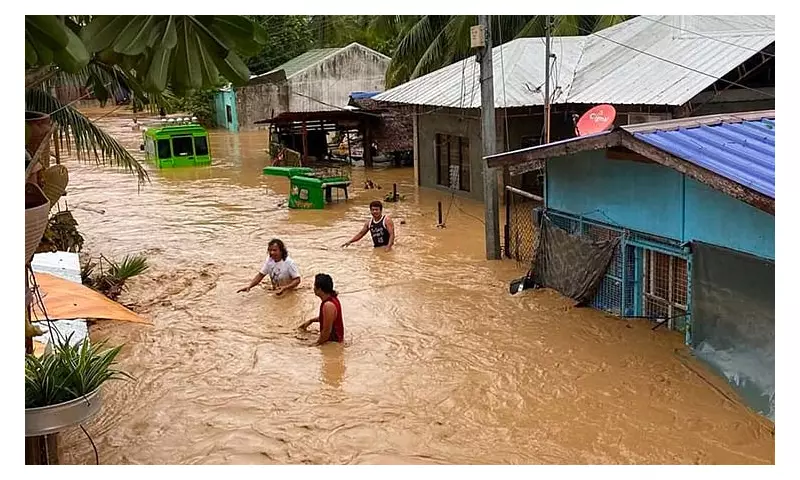
The typhoon, which made landfall on November 4, 2025, triggered flash floods and widespread damage across Cebu province. Asturias has been identified as one of the municipalities facing the most difficult recovery process, particularly Barangay Kaluangan where 293 households were affected by the disaster.
According to recent assessments, 95 homes were completely destroyed by the flooding, leaving many families without shelter. Currently, 39 families remain in evacuation centers, unable to return to their properties, while others have sought temporary accommodation with relatives.

Logistical Challenges Hamper Relief Distribution
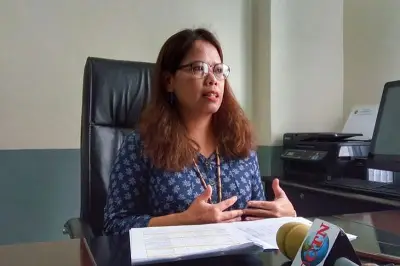
Annaliza Jayme, Municipal Legal Officer of Asturias, explained that the delivery of relief goods to Barangay Kaluangan has been significantly delayed due to severe road access problems. "Landslides and damaged roads have made it impossible for four-wheel vehicles to reach the area," Jayme stated.
Responders have been forced to use motorcycles to transport essential supplies to the isolated community. The challenging terrain and ongoing road blockages have created major obstacles for coordinated relief operations.
Current relief distribution to Kaluangan is now occurring every two days through combined efforts of the Department of Social Welfare and Development (DSWD), private donors, and the local government unit.
Priority Clearing Operations Underway
While food supplies are currently sufficient, Jayme noted that the greater need lies in construction materials and household items for families whose homes were washed away by floodwaters.
The local government has partnered with the Department of Public Works and Highways (DPWH) and Third District Representative Karen Flores-Garcia to deploy additional heavy equipment for road clearing operations. Although neighboring mountain barangays like Bairan have partially accessible routes, Kaluangan remains the priority due to the extent of damage and its isolated location.
Recent progress has allowed four-wheel vehicles to access some parts of the barangay, but motorcycles continue to be essential for delivering smaller supplies to the most remote sitios.
Jayme emphasized that while relief operations continue, coordination remains challenging. Barangays closer to the highway have received adequate assistance from government and private groups, but Kaluangan's geographical isolation continues to cause significant delays in aid delivery.