Cebu City Implements Strict No-Build Zones After Typhoon Tino Destruction
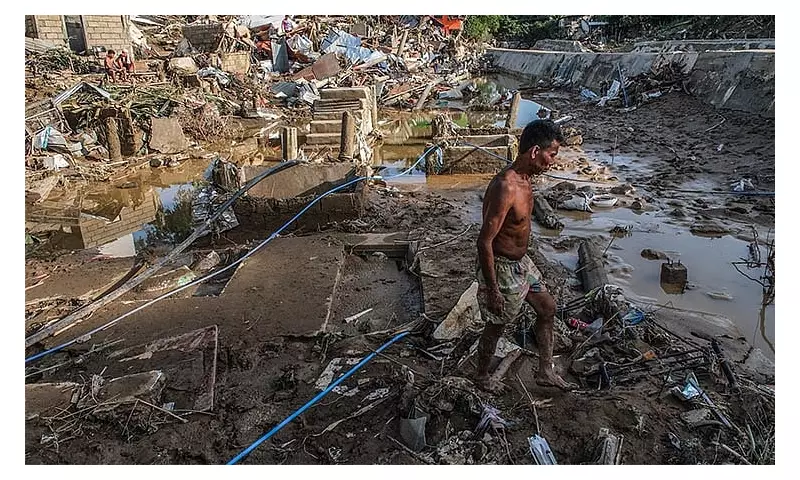
The Butuanon River overflowed with devastating force on November 4, 2025, destroying homes and collapsing riprap walls in Sitio Lower Common, Barangay Bacayan, Cebu City. The powerful waters unleashed by Typhoon Tino left a trail of destruction that has prompted drastic measures from city officials.
Mayor Nestor Archival has revealed a "balik probinsya" (return to province) initiative designed to assist families who lost their homes during the catastrophic weather event. In an exclusive interview, the mayor confirmed that city government is exploring various ways to support affected residents, particularly those originally from provinces outside Cebu.
Financial Assistance for Relocation
"I've talked to several barangay captains. If they have people who wish to go back to their provinces, we will assist them and provide financial help for their travel," Mayor Archival stated. However, he noted a significant challenge: many residents hesitate to return to provincial areas due to limited opportunities and fewer social services.

The mayor observed that numerous affected families are reluctant to leave urban centers because provincial areas typically lack free college education, senior citizen benefits, and sufficient employment options. This creates a complex dilemma for disaster response efforts.
Typhoon Tino damaged or completely swept away approximately 15,000 houses, with the most severe impact concentrated in riverside communities and flood-prone areas. The Butuanon River region suffered the worst destruction and highest number of casualties according to official assessments.
Permanent No-Build Zone Declaration
"The biggest damage is here in the Butuanon area, which also had the highest number of fatalities. That's why we've now declared it a no-build zone," Archival emphasized. "If we continue to build houses near the river, we will continue to face the same problems."
The city government has already begun identifying official no-build zones, including the Butuanon River and various tributaries in northern barangays. This preventive measure aims to avoid similar tragedies during future typhoon seasons.
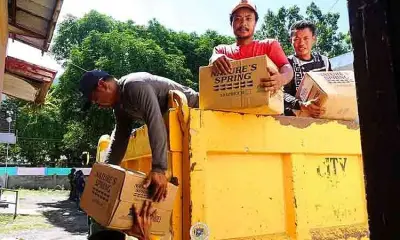
Currently, hundreds of families remain housed in evacuation centers, primarily located in public schools throughout the city. Mayor Archival confirmed that these displaced residents will be the first beneficiaries of the city's temporary housing program.
The city expects to complete a detailed list of relocation sites within three to five days. Meanwhile, the Department of Human Settlements and Urban Development (DHSUD) has pledged support and is advising the city on identifying suitable land for permanent relocation settlements.
Private Sector Violations Discovered
In a concerning discovery, Archival revealed that at least two private subdivisions in northern Cebu City were found to have violated river easement regulations, specifically the mandatory 3-meter easement zone. City authorities are currently assessing the extent of these violations, which may have contributed to the flooding severity.
The mayor expressed gratitude to Senator Francis "Kiko" Pangilinan, who met with the city delegation earlier this week to discuss urgent post-disaster needs. Senator Pangilinan committed to bringing their concerns to national government agencies and supporting relocation appeals during upcoming Senate budget hearings.
As Cebu City continues its recovery efforts, the establishment of no-build zones and the balik probinsya initiative represent crucial steps toward building more resilient communities against future climate challenges.